
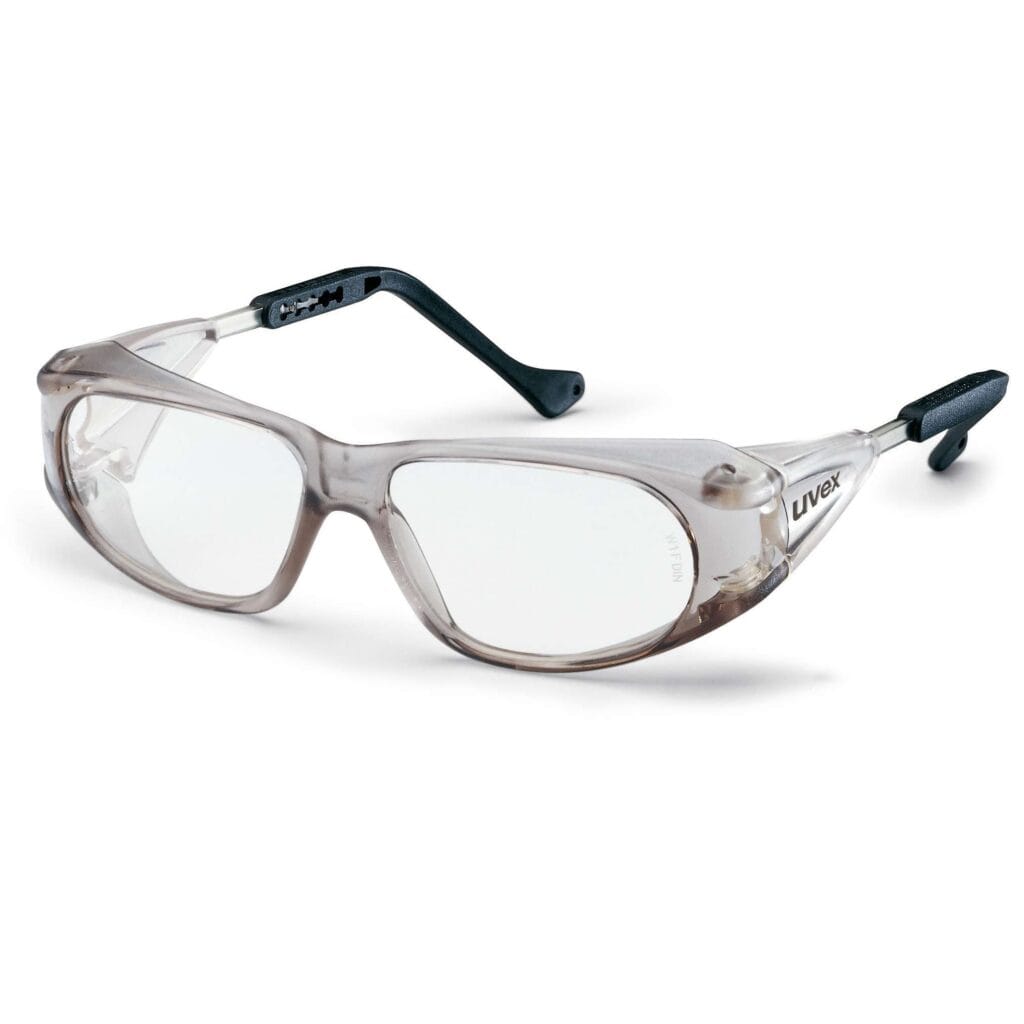
Short Answer: Prescription PPE eyewear must meet ANSI Z87.1 impact standards while providing accurate vision correction. Employers must conduct hazard assessments, provide compliant prescription safety eyewear at no cost to employees per OSHA 29 CFR 1910.133, ensure proper fit through accurate PD/SH measurements (±1mm for optimal performance), train employees on use and maintenance, and document compliance. Photo-based measurement tools like Optogrid enable accurate remote measurement for distributed workforces while maintaining compliance documentation.
In the realm of occupational safety, prescription personal protective equipment (PPE) eyewear represents a critical intersection of vision correction and workplace hazard protection. While standard safety glasses protect against impact and environmental hazards, prescription PPE must simultaneously correct vision deficiencies and meet rigorous safety standards—a dual requirement that demands specialized knowledge, accurate measurements, and documented compliance protocols.
Approximately 2,000 U.S. workers sustain job-related eye injuries requiring medical treatment every day, with nearly 90% of these injuries preventable through proper eyewear. For employees requiring vision correction, prescription PPE compliance becomes not just a regulatory obligation but a fundamental aspect of workplace safety that protects both vision health and physical safety.
Key Takeaways
- Prescription PPE must meet ANSI Z87.1 standards while incorporating accurate vision correction (not standard eyeglasses with side shields)
- Employers must provide prescription safety eyewear at no cost when hazard assessments identify eye protection requirements (OSHA 29 CFR 1910.133)
- Accurate PD and SH measurements (±1mm tolerance) are critical for prescription PPE effectiveness and employee compliance
- Prescription PPE requires specialized optical vendors, not standard safety equipment suppliers
- Documentation must include hazard assessments, prescription records, measurement data, and training records
- Remote measurement solutions like Optogrid enable compliant prescription PPE programs for distributed workforces
Comprehensive Hazard Assessment and Prescription PPE Selection

Identifying Workplace Eye and Face Hazards
The foundation of eye safety in the workplace begins with a comprehensive hazard assessment as mandated by OSHA 29 CFR 1910.133. Employers are required to identify potential risks that could lead to eye or face injuries before selecting appropriate protective eyewear. This assessment must evaluate both the nature of hazards and which employees require vision correction while working in hazardous environments.
Common workplace eye hazards include:
- Chemical splashes from industrial processes, cleaning operations, or laboratory work
- Flying debris from machining operations, grinding, cutting, or chipping
- Dust and particulates in construction, woodworking, or manufacturing environments
- Radiation exposure in welding, laser operations, or medical settings
- Intense light from arc welding, plasma cutting, or specialized equipment
- Molten metal splashes in foundries, metalworking, or manufacturing facilities
For employees who wear prescription lenses, the hazard assessment must specifically identify:
- Which job functions require prescription PPE versus standard safety eyewear
- Whether prescription inserts or prescription safety frames are more appropriate for the hazard type
- Which employees need updated vision prescriptions before PPE provision
- Whether over-the-glasses (OTG) solutions provide adequate protection (typically insufficient for high-hazard environments)
Accurate hazard assessment for prescription PPE requires collaboration between safety managers, employees, and optical professionals. The assessment must document not only the hazards present but also the prescription requirements and measurement specifications for compliant eyewear.
Once hazards and prescription needs are identified, employers must choose protective eyewear that meets the rigorous ANSI Z87.1 standards while incorporating accurate vision correction. Regular reassessments are necessary whenever work processes change, new equipment is introduced, or employees’ vision prescriptions are updated.
Prescription PPE Considerations in Hazard-Specific Environments
Prescription PPE selection varies significantly based on the identified hazards:
Impact Hazards (Flying Particles, Debris):
- Prescription safety glasses with wraparound frames and side shields
- ANSI Z87.1+ high-impact rating required (Z87-2+ for prescription lenses)
- Polycarbonate or Trivex prescription lenses for superior impact resistance
- Full-frame designs that protect peripheral vision while maintaining optical quality
Chemical Exposure:
- Prescription safety goggles with indirect ventilation
- Sealed designs that prevent splash entry while accommodating prescription inserts
- Chemical-resistant frames and anti-fog coatings essential for prescription lenses
- Consideration of face shields over prescription eyewear for severe chemical hazards
Welding and Radiation:
- Prescription welding helmets with flip-up shields or prescription inserts
- Auto-darkening lenses compatible with prescription carriers
- Specific shade ratings based on welding process (ANSI Z87.1 Section 9)
- UV and IR protection integrated with vision correction
Multi-Hazard Environments:
- Prescription safety glasses with interchangeable lenses or coatings
- Combination protection (impact + chemical + UV)
- Prescription inserts in full-face respirators when respiratory protection is also required
Choosing Prescription PPE That Meets ANSI Z87.1 Standards
When selecting prescription personal protective equipment (PPE) for the eyes and face, employers must ensure products meet the American National Standards Institute (ANSI) Z87.1 standard. This certification indicates that eyewear has been rigorously tested and is capable of providing adequate protection against workplace hazards while incorporating vision correction.
The ANSI/ISEA Z87.1-2020 standard establishes specific requirements for prescription safety eyewear that differ from standard safety glasses:
Prescription Lens-Specific Requirements:
| Requirement Category | Standard PPE | Prescription PPE |
|---|---|---|
| Impact Testing | Frame + plano lens | Frame + prescription lens at actual power |
| Optical Quality | Basic (Z87) | Prescription optical requirements (Z87-2) |
| Lens Thickness | Minimum 3mm polycarbonate | Variable based on prescription power |
| Base Curve Limitations | Minimal restrictions | Limited to curves compatible with Rx surfacing |
| Marking Requirements | Z87 or Z87+ | Z87-2 or Z87-2+ (prescription designation) |
| Testing Certification | Manufacturer certification | Certified optical laboratory required |
Critical Prescription PPE Standards:
- Lens Material: Prescription lenses must use impact-resistant materials (polycarbonate or Trivex preferred) that maintain optical quality at the specific prescription power
- Base Curve Limitations: Safety frame base curves must accommodate prescription lens surfacing without compromising optical centering or impact resistance
- Lens Thickness: Prescription lenses vary in thickness based on power; high prescriptions may require special high-index materials to meet safety standards
- Impact Testing: Prescription lenses must be tested at the actual prescription power, not as plano lenses, since optical power affects impact resistance
- Permanent Marking: All ANSI Z87.1-2020 compliant prescription eyewear must be permanently marked with “Z87-2” (basic impact) or “Z87-2+” (high impact) designation
Ensuring OSHA Compliance Through ANSI Standards:
To comply with OSHA’s eye protection guidelines under 29 CFR 1910.133, employers must provide prescription PPE that adheres to ANSI Z87.1 standards. Key compliance features include:
- Adequate impact resistance tested with prescription lenses installed
- Protection from UV and IR radiation (99.9% UV filtration minimum)
- Resistance to penetration from projectiles and debris
- Coverage for the full eye and surrounding facial areas
- Proper integration of prescription with protective design (not standard eyeglasses with aftermarket side shields)
Regular verification of ANSI certification is essential. Prescription safety eyewear must display permanent markings on both frame and lenses. Frames marked with “Z87-2” indicate basic impact protection with prescription lenses, while “Z87-2+” indicates high-impact protection. Eyewear lacking these markings does not meet OSHA requirements and should not be used in hazardous environments.
Common Compliance Failures:
Many employers unknowingly provide non-compliant prescription eyewear, including:
- Personal prescription glasses with clip-on or magnetic side shields (not ANSI certified)
- Over-the-glasses (OTG) safety glasses that disturb prescription lens positioning
- Prescription inserts in non-certified safety frames
- Prescription lenses in frames certified only for plano lenses
- Outdated ANSI Z87.1-1989 or 2003 certified eyewear (current standard is 2020/2025)
Regular Site Evaluations for Prescription PPE Necessity
Regular site evaluations are essential to determine the ongoing necessity and adequacy of prescription PPE in the workplace. OSHA compliance requires continuous assessment as work conditions, job functions, and employee vision needs evolve. These evaluations help identify changes that may require different protective equipment, updated prescriptions, or revised measurement protocols.
Evaluation Frequency and Triggers:
- Annual workplace hazard reassessments (minimum)
- When new processes, equipment, or chemicals are introduced
- Following workplace incidents or near-miss events involving eye injuries
- When employees report vision changes or discomfort with current prescription PPE
- During employee job function changes or transfers to different hazard areas
- After regulatory updates to OSHA or ANSI standards
Prescription-Specific Evaluation Components:
- Vision Screening Programs: Evaluate which employees need updated vision prescriptions. Vision changes naturally over time; outdated prescriptions compromise both safety compliance and employee comfort. Many employees avoid wearing uncomfortable or ineffective prescription PPE, creating compliance and safety risks.
- Prescription Verification and Updates: Review prescription dates for all employees using prescription PPE. Industry best practice recommends updating prescriptions every 1-2 years, or sooner if employees report vision changes, headaches, or eye strain while wearing current prescription PPE.
- Remote Workforce Measurement Challenges: For organizations with distributed locations or multi-site operations, evaluate measurement consistency. Inconsistent measurement methods across locations create compliance documentation gaps and increase the risk of improperly fitted prescription PPE. Centralized measurement protocols using validated digital tools ensure consistency.
- Measurement Accuracy Assessment: Evaluate whether current measurement methods meet accuracy requirements for prescription PPE. Inaccurate PD or SH measurements result in prescription lenses that don’t align with employees’ pupils, causing eye strain, headaches, and reduced compliance with PPE usage requirements.
Documentation Requirements:
Accurate PD and SH measurements are crucial for prescription PPE effectiveness and OSHA compliance. Optogrid revolutionizes optical measurements by enabling remote, accurate measurement capture (±0.5mm precision) for distributed workforces, ensuring optimal vision correction and safety compliance across all locations.
By maintaining a proactive approach to prescription PPE management through regular evaluations, organizations can:
- Comply with OSHA 29 CFR 1910.133 regulatory requirements
- Reduce eye injury incidents and associated workers’ compensation costs
- Improve employee compliance with PPE usage requirements (comfortable, properly fitted eyewear is worn consistently)
- Maintain accurate compliance documentation for OSHA inspections
- Identify cost-saving opportunities through centralized prescription PPE programs
Prescription PPE: Unique Compliance Requirements
Prescription PPE eyewear compliance involves significantly more complex requirements than standard safety glasses. While both must meet ANSI Z87.1 impact standards, prescription PPE adds layers of optical accuracy, specialized manufacturing, vendor coordination, and measurement documentation that employers must understand and implement.
Why Prescription PPE Differs from Standard Safety Eyewear
Standard safety glasses protect against workplace hazards through impact-resistant frames and lenses. Prescription PPE must accomplish dual objectives simultaneously: workplace hazard protection AND accurate vision correction. This combination creates unique compliance challenges that require specialized knowledge and protocols.
Key Differences in Compliance Requirements:
| Compliance Aspect | Standard PPE | Prescription PPE |
|---|---|---|
| ANSI Z87.1 Compliance | Z87 or Z87+ marking | Z87-2 or Z87-2+ marking (prescription designation) |
| Impact Testing | Frame + plano lens tested | Frame + actual Rx lens tested at specific power |
| Measurement Requirements | Frame fit only (temple width, bridge fit) | PD ±1mm, SH ±1.5mm for optimal performance |
| Documentation Needed | PPE provision record, training log | PPE provision + Rx copy + measurement data + optical lab certification |
| Vendor Specialization | Standard safety equipment suppliers | Prescription optical vendors with safety certification |
| Fit Verification | Visual inspection, comfort check | Measurement validation + wear test + optical centering verification |
| Employee Cost | $0 (employer provides per OSHA) | $0 (employer provides per OSHA—common misconception) |
| Replacement Frequency | When damaged or worn | When damaged, worn, OR prescription changes |
| Customization Level | Minimal (frame size selection) | Extensive (Rx power, PD, SH, lens material, coatings) |
Vision Correction + Safety Protection Dual Requirement
OSHA 29 CFR 1910.133(a)(3) specifically addresses prescription lens users: “The employer shall ensure that each affected employee who wears prescription lenses while engaged in operations that involve eye hazards wears eye protection that incorporates the prescription in its design, or wears eye protection that can be worn over the prescription lenses without disturbing the proper position of the prescription lenses or the protective lenses.”
This regulation establishes three critical compliance points:
- Prescription Integration Required: Employees cannot use personal prescription eyeglasses (even with aftermarket side shields) in hazardous environments. The prescription must be incorporated into ANSI-certified safety frames.
- Proper Positioning Mandatory: If over-the-glasses (OTG) solutions are used, they must not disturb the positioning of prescription lenses. In practice, OTG solutions rarely meet this requirement for employees with moderate to high prescriptions, making dedicated prescription safety eyewear necessary.
- Employer Provision Obligation: Contrary to common misconceptions, employers must provide prescription PPE at no cost to employees, just as with standard PPE. The employer is responsible for the full cost of prescription safety eyewear, including frames, prescription lenses, coatings, and any necessary updates.
Accurate PD and SH Measurements for Prescription PPE Compliance
Pupillary Distance (PD) and Segment Height (SH) measurements are critical for prescription PPE effectiveness. Unlike standard safety glasses where frame fit is the primary concern, prescription PPE requires optical measurements accurate to within ±1mm for optimal performance.
Why Measurement Accuracy Matters for Compliance:
- Optical Centering: Prescription lenses must be centered precisely over the employee’s pupils. Misalignment causes prismatic effects, eye strain, headaches, and blurred vision—particularly problematic in hazardous work environments requiring visual acuity.
- Employee Compliance: Uncomfortable or vision-compromised PPE reduces employee willingness to wear required protection. Accurate measurements ensure prescription PPE is comfortable and effective, increasing consistent usage.
- Safety Performance: Improperly centered prescription lenses can create visual distortions that impair depth perception, peripheral awareness, and hazard recognition—directly compromising workplace safety.
- Progressive and Bifocal Lenses: For employees requiring multifocal prescriptions in their safety eyewear, SH accuracy is critical. Incorrect SH positioning renders progressive or bifocal segments unusable, forcing employees to remove PPE to see clearly.
Measurement Documentation Requirements:
OSHA compliance documentation must include:
- Employee’s current prescription (signed by optometrist or ophthalmologist)
- Accurate PD measurement (monocular PD preferred for optimal centering)
- SH measurement for bifocal or progressive prescriptions
- Measurement method and date
- Measurer identification (trained personnel or validated measurement system)
- Frame specifications and vendor certification
Remote Measurement Solutions for Distributed Workforces
Organizations with multiple locations, remote workers, or field employees face unique challenges in prescription PPE compliance. Traditional in-person optical measurements require employees to visit optical retailers or on-site safety equipment providers—logistically complex and expensive for distributed teams.
Optogrid’s photo-based measurement technology addresses these challenges by enabling:
- Remote measurement accuracy: ±0.5mm precision for PD and SH measurements using standard smartphone photography
- Centralized documentation: All employee measurements stored in compliant, auditable digital records
- Multi-location consistency: Standardized measurement protocols across all sites and employees
- Rapid deployment: New employees or prescription updates measured immediately without scheduling optical appointments
- Cost efficiency: Reduced travel, appointment scheduling, and administrative overhead for prescription PPE programs
- OSHA audit readiness: Complete digital records of measurements, dates, and methodology
Measuring Employees for Prescription PPE: Accuracy and Documentation
Accurate measurement of employees for prescription PPE is a critical compliance requirement that directly impacts both safety effectiveness and OSHA documentation. Unlike standard safety glasses that require only frame sizing, prescription PPE demands precise optical measurements captured through validated methods and documented for regulatory compliance.
In-Person Measurement Methods
Traditional in-person measurement methods include:
Professional Optical Measurements:
- Optical retailers or optometry clinics using pupillometers or digital measurement devices
- Advantages: High accuracy (±0.5mm), professional validation, immediate prescription verification
- Disadvantages: Requires employee travel, appointment scheduling, costly for multi-location organizations, creates measurement delays
On-Site Safety Equipment Providers:
- Mobile safety eyewear vendors with portable measurement tools
- Advantages: Convenient for large workforces, combines measurement with frame selection
- Disadvantages: Scheduling complexity, measurement accuracy varies by technician skill, expensive for recurring needs
Manual Ruler Measurements:
- Safety managers using millimeter rulers for basic PD measurements
- Advantages: Low cost, immediate availability
- Disadvantages: Low accuracy (±2-3mm typical), high error rate, no SH capability, limited documentation, not recommended for prescription PPE compliance
Remote Measurement Solutions: Optogrid for Prescription PPE Programs
Optogrid enables prescription PPE compliance for distributed workforces through photo-based measurement technology. Using a standard smartphone camera and reference card, employees can be measured remotely with laboratory-grade accuracy.
Optogrid Measurement Process:
- Employee Photography: Employee takes or receives a photograph with Optogrid reference card positioned at eyewear level
- Automated Analysis: Optogrid’s computer vision algorithms calculate PD and SH measurements from facial geometry
- Measurement Validation: Results reviewed for accuracy; measurements flagged for manual verification if needed
- Digital Documentation: Measurements stored with timestamp, employee ID, and methodology for OSHA compliance records
- Vendor Integration: Measurement data transmitted directly to prescription safety eyewear vendors for lens fabrication
Accuracy and Compliance Benefits:
- Measurement precision: ±0.5mm accuracy comparable to professional optical equipment
- Compliance documentation: Automated record-keeping with date stamps, measurement methodology, and employee identification
- Multi-location consistency: Standardized measurement protocol across all sites eliminates variability
- Rapid deployment: New employees or prescription updates measured within minutes, not days or weeks
- Cost reduction: Eliminates travel costs, appointment scheduling, and external measurement fees
- Audit readiness: Digital records immediately available for OSHA inspections or compliance audits
Documentation and Record-Keeping:
Prescription PPE compliance requires comprehensive documentation beyond standard PPE provision records. Employers must maintain:
- Employee vision prescriptions: Current Rx from licensed optometrist or ophthalmologist (typically within 1-2 years)
- Measurement records: PD and SH measurements with date, method, and measurer identification
- Hazard assessment: Documentation linking specific job functions to prescription PPE requirements
- PPE provision records: Frames, lenses, coatings, vendor, and delivery dates
- Training documentation: Employee acknowledgment of proper use, maintenance, and limitations
- Inspection logs: Regular condition checks and replacement tracking
- Prescription update records: When employees’ vision changes and new PPE is provided
These records must be maintained for the duration of employment plus any required retention period per OSHA recordkeeping requirements (typically 3-5 years post-employment depending on regulation).
Measurement Accuracy Requirements for Compliance
While OSHA and ANSI standards don’t specify exact numerical tolerances for PD and SH measurements, optical industry standards and practical performance establish functional requirements:
Pupillary Distance (PD):
- Optimal accuracy: ±1mm for single-vision prescriptions
- Critical accuracy: ±0.5mm for high prescriptions (>±4.00 diopters) or progressive lenses
- Measurement type: Monocular PD (separate measurements for each eye) preferred over binocular PD for optimal centering
Segment Height (SH):
- Bifocal/progressive lenses: ±1.5mm accuracy essential for usable near-vision segments
- Safety considerations: SH affects where employees must tilt their head to see through different lens zones—critical for hazard awareness and task performance
Inaccurate measurements create compliance risks beyond optical discomfort. Employees experiencing eye strain, headaches, or blurred vision from improperly measured prescription PPE are more likely to remove protective eyewear, creating OSHA violations and safety incidents.
Common Prescription PPE Compliance Issues and Solutions
Organizations implementing prescription PPE programs frequently encounter compliance challenges that create regulatory risks and compromise employee safety. Understanding these common issues enables proactive solutions and stronger compliance postures.
Issue 1: Employees Using Personal Prescription Glasses (Non-Compliant)
The Problem:
Employees wear their personal prescription eyeglasses with aftermarket clip-on or magnetic side shields, believing this provides adequate protection. This is the most common prescription PPE compliance violation.
Why It’s Non-Compliant:
- Personal eyeglasses are not ANSI Z87.1 certified for impact resistance
- Frame materials and lens treatments don’t meet safety standards
- Clip-on side shields don’t provide integrated protection
- No manufacturer certification or impact testing performed
- Violates OSHA 29 CFR 1910.133 requirement for certified protective equipment
The Solution:
- Clear policy: Personal glasses with side shields are prohibited in designated eye hazard areas
- Provide ANSI Z87-2 certified prescription safety eyewear to all affected employees
- Training on why personal glasses don’t meet safety standards
- Visual identification: Post signage showing compliant vs. non-compliant eyewear examples
- Supervisor enforcement: Regular visual checks for proper prescription PPE usage
Issue 2: Incorrect PD/SH Measurements Leading to Non-Use
The Problem:
Prescription PPE provided with inaccurate measurements causes eye strain, headaches, or blurred vision. Employees avoid wearing uncomfortable or ineffective eyewear, creating compliance violations and safety risks.
Why It Happens:
- Manual ruler measurements by untrained personnel (±2-3mm error common)
- Measurement inconsistency across multiple locations or measurers
- Failure to capture monocular PD for employees with different eye positions
- SH measurements estimated rather than precisely measured
- Prescription data transcription errors when ordering from vendors
The Solution:
- Implement validated measurement methods (professional optical measurements or digital tools like Optogrid)
- Train designated personnel on proper measurement techniques
- Standardize measurement protocols across all locations
- Verify measurements before vendor submission
- Re-measure employees reporting discomfort or vision issues with initial prescription PPE
- Document measurement methodology for quality assurance
Issue 3: Outdated Prescriptions Compromising Safety and Compliance
The Problem:
Employees continue using prescription PPE made with outdated prescriptions (2+ years old) after their vision has changed. Vision changes compromise both safety effectiveness and employee comfort.
Why It Happens:
- No systematic prescription update program
- Employees don’t report vision changes to avoid perceived hassle of new eyewear
- Employers lack tracking systems for prescription age
- Cost concerns (mistaken belief that employer isn’t responsible for prescription updates)
- Employees using personal outdated prescriptions when requesting PPE
The Solution:
- Establish prescription update policy (recommended: every 1-2 years or when employee reports vision changes)
- Track prescription dates in employee safety records
- Proactive communication: Remind employees of update schedules
- Easy update process: Streamlined prescription submission and measurement protocols
- Training: Emphasize that employer covers cost of prescription updates per OSHA requirements
- Vision screening programs: Annual or biannual basic screenings to identify employees needing updated prescriptions
Issue 4: Missing or Inadequate Side Protection in Prescription Safety Frames
The Problem:
Prescription safety eyewear provided without proper side shields or peripheral protection, or frames that don’t meet wraparound coverage requirements for identified hazards.
Why It Happens:
- Employees select “safety” frames based on style rather than hazard-appropriate protection
- Optical vendors unfamiliar with workplace hazard requirements
- Disconnect between hazard assessment and prescription eyewear procurement
- Cost-cutting measures that compromise protection specifications
The Solution:
- Hazard-specific frame requirements: Define minimum protection standards based on identified hazards
- Approved frame lists: Pre-qualify safety frames meeting organizational requirements
- Vendor education: Ensure optical vendors understand workplace hazards and ANSI Z87.1 requirements
- Employee frame selection: Limited to pre-approved styles meeting protection requirements
- Verification before deployment: Inspect all prescription PPE deliveries for hazard-appropriate protection
Issue 5: Inadequate Measurement and Provision Documentation
The Problem:
Incomplete or missing records for prescription PPE measurements, prescriptions, vendor certifications, or provision dates. During OSHA inspections, employers cannot demonstrate compliance with PPE provision and training requirements.
Why It Happens:
- Decentralized procurement across multiple locations without standardized record-keeping
- Prescription PPE treated as employee benefit rather than safety requirement
- Paper-based systems with incomplete data capture
- Vendor records not retained or integrated into safety documentation
- Confusion about what documentation is required
The Solution:
- Centralized documentation system for all prescription PPE records
- Standardized forms capturing all required data: prescription, measurements, hazard assessment, training, provision date
- Digital record-keeping with backup and retention protocols (minimum 3-5 years post-employment)
- Vendor integration: Require vendors to provide certification documentation with deliveries
- Audit readiness: Regularly review documentation completeness and accessibility
- Training: Educate safety managers and administrators on documentation requirements
Issue 6: Over-the-Glasses (OTG) Solutions That Disturb Prescription Lens Positioning
The Problem:
Employees provided with over-the-glasses safety eyewear that pushes prescription glasses away from proper position, causing optical distortion, discomfort, and reduced protection.
Why It Happens:
- Cost reduction attempts (OTG perceived as cheaper than prescription safety eyewear)
- Quick-fix mentality for immediate protection needs
- Misunderstanding of OSHA 29 CFR 1910.133(a)(3) positioning requirements
- Employees with high prescriptions where OTG physically cannot fit properly
The Solution:
- Policy: OTG solutions only acceptable when they don’t disturb prescription lens positioning
- Verification testing: Employees using OTG must demonstrate proper positioning and comfort
- Default to integrated prescription PPE: For most employees requiring vision correction
- Cost analysis: Factor in reduced compliance, employee discomfort, and replacement frequency when comparing OTG vs. prescription PPE costs
- Hazard-specific limitations: OTG typically insufficient for high-impact, chemical splash, or welding applications
Optogrid for Prescription PPE Compliance Programs
Implementing compliant prescription PPE programs across distributed workforces presents significant logistical, cost, and consistency challenges. Optogrid’s photo-based measurement technology provides a comprehensive solution that addresses the unique requirements of prescription PPE compliance while reducing administrative burden and cost.
Remote Measurement Capability for Distributed Workforces
Organizations with multiple locations, remote employees, or field workers struggle to obtain consistent, accurate measurements for prescription PPE. Traditional approaches require employees to visit optical retailers or schedule on-site measurement appointments—creating delays, inconsistency, and significant costs.
Optogrid’s Remote Measurement Solution:
Optogrid enables prescription PPE measurements to be captured anywhere using a smartphone camera and standardized reference card:
- Employee Self-Service or Manager-Assisted: Employees photograph themselves with the Optogrid reference card, or managers photograph employees at any location
- Automated Measurement Extraction: Computer vision algorithms analyze facial geometry and calculate PD and SH with ±0.5mm accuracy
- Instant Results: Measurements available immediately for prescription PPE ordering
- Quality Assurance: Automated validation flags measurements requiring manual review
- Multi-Location Consistency: Same measurement protocol and accuracy across all company sites
Benefits for Distributed Organizations:
- Eliminate travel requirements: No need to send employees to optical retailers or bring measurement specialists on-site
- Rapid deployment: New employees or prescription updates measured within minutes
- Consistent accuracy: Eliminates variability from different measurers or locations
- Cost reduction: No external measurement fees or travel expenses
- Scalability: Easily accommodate growing workforces or new locations
Accuracy Validation and Compliance Documentation
OSHA compliance requires not just providing prescription PPE but documenting that provision with accurate records. Optogrid’s digital measurement system creates automated compliance documentation that supports audit readiness.
Automated Documentation Capture:
Every Optogrid measurement generates compliance records including:
- Employee identification: Linked to employee records and safety profiles
- Measurement data: PD (monocular and binocular), SH when applicable
- Measurement date and time: Timestamp for compliance tracking
- Measurement methodology: Photo-based measurement with Optogrid reference card (documented process)
- Measurement accuracy: ±0.5mm precision specification
- Photograph archive: Original photos retained for verification if needed
Audit Readiness:
During OSHA inspections or internal audits, safety managers can instantly retrieve:
- Complete measurement history for any employee
- Proof of measurement accuracy and methodology
- Timeline of prescription PPE provision and updates
- Integration with hazard assessments and training records
This comprehensive documentation demonstrates employer due diligence in prescription PPE compliance far beyond minimal regulatory requirements.
Integration with Prescription Safety Eyewear Vendors
Optogrid integrates with prescription safety eyewear vendors to streamline the procurement process from measurement to delivery:
Simplified Ordering Workflow:
- Measurement capture: Employee measured via Optogrid
- Prescription collection: Current Rx obtained from employee or optometrist
- Frame selection: Employee chooses from pre-approved ANSI Z87-2 certified frames
- Automated order transmission: Measurement data and prescription sent directly to vendor
- Vendor fabrication: Prescription lenses surfaced and mounted in safety frames
- Quality verification: Vendor confirms ANSI certification and optical accuracy
- Direct delivery: Prescription PPE shipped to employee location
Benefits of Integrated Workflow:
- Reduced errors: Eliminates manual transcription of measurements and prescriptions
- Faster turnaround: Streamlined process reduces time from measurement to delivery
- Vendor compliance: Digital transmission ensures vendors receive complete, accurate specifications
- Order tracking: Centralized visibility into all prescription PPE orders and delivery status
- Cost management: Consolidated vendor relationships and volume pricing
Compliance Record-Keeping and Reporting
Optogrid’s platform provides comprehensive record-keeping capabilities that support prescription PPE compliance management:
Centralized Compliance Records:
- Employee profiles: Complete history of measurements, prescriptions, and PPE provision for each employee
- Program dashboards: Overview of prescription PPE compliance status across the organization
- Expiration tracking: Alerts for prescriptions approaching update dates (typically 2 years)
- Audit reports: Pre-built compliance reports for OSHA inspections or internal audits
- Multi-location visibility: Consolidated view across all sites and departments
Proactive Compliance Management:
- Identify employees with outdated prescriptions requiring updates
- Track employees needing initial prescription PPE provision
- Monitor measurement recency and trigger updates when needed
- Generate documentation for specific time periods or employee groups
- Support budget planning with prescription PPE program cost visibility
Cost Efficiency and ROI for Prescription PPE Programs
While OSHA requires employers to provide prescription PPE at no cost to employees, organizations still face significant program costs. Optogrid reduces total program costs while improving compliance and employee satisfaction:
Cost Reduction Areas:
- Eliminated external measurement fees: $20-50 per employee per measurement × number of employees and updates
- Reduced travel costs: Eliminated employee travel to optical retailers or on-site specialist visits
- Faster deployment: Reduced productivity loss from measurement delays
- Improved accuracy: Fewer remakes and adjustments from measurement errors
- Administrative efficiency: Reduced paperwork, manual data entry, and record management
- Vendor consolidation: Centralized program enables volume pricing and simplified vendor management
ROI Example (100-employee organization):
Traditional prescription PPE program:
- External measurements: 100 employees × $35 = $3,500
- Travel and productivity loss: 100 employees × 2 hours × $30/hour = $6,000
- Remakes from measurement errors (10% rate): 10 remakes × $250 = $2,500
- Annual cost: $12,000
Optogrid-enabled prescription PPE program:
- Optogrid platform subscription: $2,400/year
- No external measurement fees: $0
- No travel or productivity loss: $0
- Remakes from measurement errors (<2% rate): 2 remakes × $250 = $500
- Annual cost: $2,900
- Annual savings: $9,100 (76% reduction)
Beyond direct cost savings, Optogrid improves compliance outcomes that reduce regulatory risk and workplace incidents—factors with much larger financial impact than program operational costs.
Fostering a Culture of Prescription PPE Compliance and Safety

Encouraging Worker Responsibility for Prescription Eye Protection
Creating a culture of safety within the workplace is critical for reducing eye injuries, particularly for employees requiring prescription PPE. Workers must recognize their role in maintaining their own safety and be proactive in using, maintaining, and reporting issues with their prescription protective eyewear.
Employee Responsibilities in Prescription PPE Compliance:
- Wear prescription PPE consistently: In all designated eye hazard areas, not just when supervisors are present
- Report vision changes immediately: Updated prescriptions are employer’s responsibility to provide
- Inspect prescription PPE before each use: Check for damage, scratches, or loose components
- Report damaged or ill-fitting eyewear immediately: Damaged PPE doesn’t provide adequate protection
- Follow cleaning and maintenance protocols: Prescription lenses require proper care to maintain optical clarity
- Attend required training: Understanding proper use, limitations, and maintenance of prescription PPE
- Never use personal eyeglasses as PPE: Even with added side shields, personal glasses don’t meet ANSI standards
By instilling a sense of personal responsibility, employees become active participants in their own protection, leading to a safer and more compliant workplace. Employees who understand why prescription PPE is required—and that comfortable, properly fitted eyewear is their right—demonstrate higher compliance rates.
Strategies to Encourage Employee Responsibility:
- Empower reporting: Create non-punitive reporting mechanisms for prescription PPE issues
- Recognize compliance: Acknowledge employees who consistently wear and maintain prescription PPE properly
- Peer accountability: Foster team environments where workers remind each other about eye safety
- Transparent communication: Explain why prescription PPE is required and how proper fit protects their vision
- Quick issue resolution: Respond rapidly to reports of discomfort, damage, or prescription changes to maintain employee trust
Creating Prescription PPE Protocols and Best Practices
Developing robust prescription PPE protocols is essential for minimizing risks and ensuring a safe work environment. Best practices in prescription PPE protocols protect employees, enhance productivity, and simplify compliance management.
Comprehensive Prescription PPE Protocol Components:
- Hazard assessment procedures: Document when prescription PPE is required vs. standard safety eyewear
- Prescription collection process: Standardized method for obtaining current Rx from employees
- Measurement protocols: Validated measurement methods (Optogrid or professional optical measurements)
- Frame selection guidelines: Pre-approved ANSI Z87-2 certified frames appropriate for identified hazards
- Vendor qualification: Approved vendors with prescription safety eyewear expertise
- Provision timeline: Target timeframes from measurement to delivery (typically 2-3 weeks)
- Fit verification: Process for confirming proper fit and optical accuracy before deployment
- Training requirements: What employees must know about their prescription PPE
- Maintenance and inspection: Cleaning protocols and damage inspection procedures
- Replacement triggers: When prescription PPE must be replaced (damage, prescription change, wear)
- Documentation requirements: Records that must be maintained for compliance
By fostering a proactive approach to prescription PPE safety, organizations can significantly reduce the likelihood of eye injuries and ensure compliance with OSHA regulatory standards. Creating clear guidelines and expectations around prescription PPE use is a cornerstone of this approach.
Standardized Protocols Across Multi-Site Operations:
Organizations with multiple locations must ensure prescription PPE protocols are consistent across all sites. Inconsistent protocols create:
- Compliance gaps that OSHA inspections may identify at some locations but not others
- Employee confusion when transferring between locations
- Documentation inconsistencies that complicate audit readiness
- Varied employee experiences that undermine safety culture
Centralized prescription PPE programs with standardized protocols—supported by tools like Optogrid for consistent measurement and documentation—ensure all locations meet the same compliance standards.
Promoting Ongoing Prescription PPE Safety Education
Continuous education is key to maintaining a vigilant and informed workforce. Prescription PPE safety education should not be a one-time event but an ongoing process that keeps pace with evolving regulations, new prescription PPE technologies, and workforce changes.
By fostering a culture of continuous learning, employees are better equipped to identify and address prescription PPE concerns, contributing to a safer work environment and stronger compliance outcomes.
Effective Prescription PPE Education Strategies:
Initial Training (All Employees Requiring Prescription PPE):
- Why prescription PPE is required for their specific job functions and hazards
- How prescription PPE differs from personal eyeglasses and standard safety glasses
- OSHA and ANSI standards governing prescription PPE
- Proper measurement process and why accuracy matters
- How to select appropriate frames from approved options
- Proper use, adjustment, and wearing techniques
- Maintenance, cleaning, and storage protocols
- How to recognize damage or wear requiring replacement
- Reporting procedures for vision changes, discomfort, or damaged eyewear
- Employer’s obligation to provide and update prescription PPE at no cost
Ongoing Education (Annual Refreshers and Updates):
- Regulatory updates to OSHA or ANSI standards
- New prescription PPE technologies or frame options
- Incident reviews (de-identified case studies from industry or organization)
- Measurement technology updates (e.g., introduction of Optogrid remote measurement)
- Changes to organizational prescription PPE protocols or approved vendors
- Reinforcement of proper use and maintenance techniques
Educational Delivery Methods:
- Hands-on training sessions demonstrating proper use and maintenance
- Visual aids showing compliant vs. non-compliant prescription eyewear
- Distribution of written materials and quick-reference guides
- Digital training modules accessible for new hires or refreshers
- Supervisor toolkits for reinforcing prescription PPE requirements during safety talks
- Vendor-led training on new frame technologies or lens coating options
Optogrid’s automated measurement and documentation capabilities should be incorporated into safety education to keep employees informed about the tools supporting their protection and the organization’s commitment to accurate, compliant prescription PPE provision.
Employee Training and Engagement in Prescription Eye Safety

Educating Workers on OSHA Prescription PPE Standards
Understanding and adhering to OSHA prescription PPE standards is crucial for ensuring workplace safety. OSHA 29 CFR 1910.133 mandates comprehensive training on the proper use, maintenance, and limitations of prescription PPE. This training must cover the types of equipment needed for specific hazards, ANSI certification requirements, and the critical importance of proper fit through accurate measurements.
Providing the necessary prescription PPE equipment is only the first step. Employers must ensure workers are fully equipped with the knowledge to use it effectively, understand why personal eyeglasses are not compliant, and know how to report issues that compromise protection.
Comprehensive OSHA Prescription PPE Training Components:
Regulatory Foundation:
- OSHA 29 CFR 1910.133 requirements for prescription eye protection
- ANSI Z87.1-2020 standards for prescription safety eyewear (Z87-2 and Z87-2+ markings)
- Employer’s obligation to provide prescription PPE at no cost to employees
- Employee’s right to properly fitted, comfortable prescription PPE
- Consequences of non-compliance (for both employer and employee safety)
Prescription PPE vs. Personal Eyeglasses:
- Why personal prescription glasses don’t meet ANSI Z87.1 standards
- Impact resistance differences between fashion eyewear and safety eyewear
- Frame design and lens material requirements for workplace protection
- Why aftermarket side shields on personal glasses are non-compliant
- Visual examples of compliant vs. non-compliant prescription eyewear
Measurement Accuracy and Proper Fit:
- Why accurate PD and SH measurements are critical for prescription PPE effectiveness
- How measurement errors cause eye strain, headaches, and non-compliance
- The measurement process (Optogrid remote measurement or professional optical measurements)
- Employee’s role in providing accurate information during measurement
- What proper fit feels like and how to identify poorly fitted prescription PPE
Reporting and Update Procedures:
- How to report vision changes that may require prescription updates
- Process for obtaining updated prescription PPE (employer’s responsibility)
- Reporting damaged or uncomfortable prescription PPE
- Timeline expectations for prescription PPE provision or updates
- Non-punitive reporting culture for prescription PPE issues
Documentation Awareness:
- What records the employer maintains for compliance (prescriptions, measurements, provision dates)
- Employee acknowledgment of training and prescription PPE receipt
- Why documentation protects both employer compliance and employee safety
Employers are responsible for the costs associated with prescription PPE required to comply with OSHA standards, emphasizing the importance of proper PPE management to avoid both compliance violations and unnecessary expenses from poorly fitted equipment requiring replacement.
Training on Proper Use and Maintenance of Prescription Protective Eyewear
Proper training in the use and maintenance of prescription protective eyewear is a critical component of workplace safety. Employees must understand not only the importance of wearing prescription eye protection but also how to ensure their eyewear maintains optimal condition for both protection and vision correction.
Proper Use Training:
- When to wear prescription PPE: All times in designated eye hazard areas, including brief tasks
- Proper positioning: How to adjust nose pads, temple length, and frame position for optimal protection and vision
- Frame adjustments: When and how to request professional frame adjustments (never bend frames yourself)
- Integration with other PPE: How to wear prescription PPE with hard hats, hearing protection, or respirators
- Limitations of prescription PPE: What hazards the specific eyewear protects against and any limitations
- Backup eyewear: Requirements for spare prescription PPE when primary pair is damaged or being repaired
Maintenance and Care Protocols:
Regular inspection and proper maintenance are essential to maintain the protective qualities and optical clarity of prescription PPE.
Daily Inspection Procedures (Before Each Use):
- Check lenses for cracks, scratches, or damage that compromises impact resistance or optical clarity
- Inspect frames for cracks, loose screws, or deformation
- Verify side shields or wraparound protection is intact and properly positioned
- Confirm temple arms and hinges function properly
- Check nose pads for damage or misalignment
- Verify ANSI Z87-2 or Z87-2+ markings are still visible
Cleaning Protocols for Prescription Lenses:
Prescription lenses with special coatings (anti-fog, anti-scratch, UV protection) require proper cleaning to avoid damage:
- Use mild soap and water: Harsh chemicals can degrade lens coatings and frames
- Microfiber cloths only: Paper towels or clothing can scratch prescription lenses
- Avoid extreme temperatures: Hot water or leaving eyewear in vehicles can warp frames or damage lenses
- Anti-fog maintenance: Proper cleaning preserves anti-fog coatings essential for safety
- Storage when not in use: Protective cases prevent damage and contamination
When to Report for Replacement:
Employees need clear guidance on when prescription PPE requires replacement:
- Any cracks or chips in lenses (compromises impact resistance)
- Deep scratches affecting vision clarity
- Frame damage or deformation
- Loose or missing components (screws, nose pads, side shields)
- Discomfort indicating fit changes
- Vision changes or prescription updates
- Coating degradation affecting anti-fog or other protective properties
It is imperative that all employees are proficient in maintenance procedures to extend the lifespan of prescription PPE and guarantee its ongoing effectiveness. Proper care reduces replacement costs while maintaining optimal protection and vision correction.
The integration of innovative technologies such as Optogrid can enhance the fitting process of prescription PPE, ensuring that each worker has eyewear that is not only compliant with safety standards but also tailored to their individual prescription and facial measurements. This approach leads to improved safety outcomes, higher employee compliance, and operational efficiency.
Involving Employees in Prescription PPE Safety Discussions and Improvements
Creating a participatory safety environment is essential for the success of any prescription PPE program. Involving employees in safety discussions not only empowers them but also provides valuable insights into the practical aspects of prescription eyewear use, comfort, and compliance challenges.
Employee Involvement Strategies:
Safety Committees with Prescription PPE Representatives:
Establish safety committees with representatives from departments where prescription PPE is required. These representatives can:
- Share employee experiences with current prescription PPE frames and vendors
- Identify comfort or fit issues affecting compliance
- Suggest improvements to measurement, ordering, or delivery processes
- Communicate prescription PPE updates and protocol changes to their departments
- Gather feedback on new frame options or lens coating technologies
Open Reporting Mechanisms for Prescription PPE Issues:
Facilitating easy reporting mechanisms is a key step in promoting employee involvement. When workers have a straightforward and non-punitive way to report prescription PPE issues, they are more likely to engage proactively in maintaining their protection and compliance.
Effective reporting mechanisms include:
- Anonymous reporting options for sensitive issues
- Multiple reporting channels (supervisor, safety manager, online form, hotline)
- Rapid response commitments (acknowledge reports within 24-48 hours)
- Transparent issue resolution (communicate actions taken to address reports)
- No-retaliation policies for employees reporting prescription PPE concerns
Regular Prescription PPE-Focused Safety Meetings:
Include prescription PPE as a regular topic in safety meetings:
- Share de-identified case studies of prescription PPE preventing injuries
- Discuss common measurement or fit issues and solutions
- Review updates to OSHA or ANSI standards affecting prescription PPE
- Introduce new frame options or measurement technologies (like Optogrid)
- Recognize employees modeling excellent prescription PPE compliance
Frame Selection Input:
Involve employees in selecting approved prescription PPE frames:
- Employee testing of new frame styles for comfort and durability
- Feedback sessions on current approved frame options
- Collaborative decisions on adding or removing frames from approved lists
- Consideration of diverse facial structures and prescription requirements when selecting frame ranges
Continuous Improvement Through Employee Feedback:
Document employee suggestions and implement improvements:
- Track recurring prescription PPE issues to identify systemic problems
- Measure prescription PPE satisfaction through surveys or interviews
- Implement process improvements based on employee input
- Communicate changes made in response to employee feedback
- Close the feedback loop by showing employees their input drives improvements
By creating a collaborative prescription PPE program where employees feel heard and valued, organizations improve not only compliance but also employee engagement with safety protocols—leading to better protection outcomes and stronger safety culture.
Maintenance, Inspection, and Documentation Protocols for Prescription Eyewear
Regular Inspection for Damage and Compliance
Regular inspection of prescription PPE eyewear is essential to ensure continued protection at the required level. Inspection protocols should be thorough, examining both the functionality and physical condition of the eyewear. This includes checking for any signs of wear, damage, or degradation that could compromise the equipment’s integrity or optical performance.
Employee Daily Inspections (Before Each Use):
Employees should perform quick visual inspections before wearing prescription PPE:
- Lens condition: Cracks, chips, deep scratches, or haze affecting vision
- Frame integrity: Cracks, bending, or deformation
- Component security: Loose screws, missing nose pads, or detached side shields
- Optical clarity: Verify lenses still provide clear, undistorted vision
- ANSI markings: Verify Z87-2 or Z87-2+ markings still visible
If any issues are identified, prescription PPE must be removed from service immediately and replaced.
Supervisor Periodic Inspections (Monthly or Quarterly):
Organizations must establish a systematic approach to the maintenance and inspection of prescription PPE. This includes creating a detailed schedule that outlines the frequency of inspections based on work environment hazards, use intensity, and manufacturer recommendations.
Supervisors should conduct more detailed inspections at regular intervals:
- Visual inspection of all employees’ prescription PPE during safety walks
- Verification that employees are wearing ANSI-certified prescription PPE (not personal glasses)
- Assessment of prescription PPE condition across the workforce
- Identification of patterns suggesting equipment quality issues or need for process improvements
- Documentation of inspection findings and any corrective actions taken
Formal Compliance Audits (Annual):
Annual audits should verify:
- All employees in eye hazard areas have appropriate prescription PPE
- All prescription PPE displays proper ANSI Z87-2 or Z87-2+ markings
- Prescriptions are current (within recommended 1-2 year timeframe)
- Measurement records and provision documentation are complete
- Training records are current for all affected employees
- Vendor certifications are on file for all prescription PPE provided
- Inspection logs are maintained and up-to-date
Addressing Deficiencies Discovered During Inspections:
It is crucial to have a system in place for promptly addressing any deficiencies discovered during inspections:
- Immediate removal: Take damaged or non-compliant prescription PPE out of service immediately
- Temporary protective measures: Provide temporary prescription PPE if replacement requires time
- Replacement process: Initiate rapid replacement for damaged prescription PPE
- Root cause analysis: For recurring damage patterns, investigate whether eyewear is appropriate for the hazard or if additional protection is needed
- Documentation: Record all deficiencies, temporary measures, and final resolutions
A proactive approach to maintenance and inspection not only ensures compliance but also reinforces an organization’s commitment to employee safety and demonstrates due diligence during OSHA inspections.
Procedures for Cleaning, Disinfecting, and Replacing Prescription PPE
Maintaining the integrity of prescription protective eyewear is crucial for ensuring worker safety and optical performance. Regular cleaning and disinfection prevent contamination, maintain optical clarity, and prolong the lifespan of the equipment. It’s critical to follow manufacturer instructions for cleaning, as prescription lenses with special coatings require specific care.
Daily Cleaning Protocols for Prescription PPE:
- Rinse first: Use lukewarm water to remove debris before wiping (prevents scratching)
- Mild soap solution: Use gentle dish soap or lens cleaner (avoid harsh chemicals that degrade coatings)
- Microfiber cloth only: Never use paper towels, clothing, or abrasive materials on prescription lenses
- Thorough rinsing: Remove all soap residue that can affect optical clarity
- Air dry or pat dry: Use clean, lint-free cloth; avoid heat sources
Weekly or As-Needed Disinfection:
For environments with biological hazards or when prescription PPE is shared temporarily:
- Use approved disinfectants safe for prescription lens coatings and frame materials
- Follow manufacturer contact time requirements for effective disinfection
- Rinse thoroughly to remove disinfectant residue
- Verify optical clarity after disinfection (some disinfectants can damage coatings)
What to Avoid When Cleaning Prescription PPE:
- Ammonia-based cleaners (damage anti-reflective and other coatings)
- Household glass cleaners (often contain harsh chemicals)
- Hot water (can warp frames or damage lens coatings)
- Abrasive materials (paper towels, shirts, rough cloths)
- Saliva or breath (introduces bacteria and doesn’t effectively clean)
Prescription PPE should always be inspected after cleaning to ensure that it has not been compromised and is still in compliance with ANSI Z87.1 safety standards. Cleaning should maintain, not degrade, both protective and optical properties.
Replacement Triggers and Procedures:
When prescription PPE becomes damaged, worn out, or no longer provides adequate protection, it must be replaced promptly. The frequency of replacement depends on the work environment and usage intensity, but as a general rule, any signs of wear or damage necessitate immediate action.
Immediate Replacement Required For:
- Cracked or chipped lenses (compromises impact resistance)
- Frame cracks or deformation (affects fit and protection)
- Deep scratches affecting optical clarity or vision
- Missing or damaged components (side shields, nose pads, screws)
- Lens coating degradation (anti-fog, anti-scratch, UV protection)
- Employee reports of discomfort or vision changes (may indicate fit or prescription issues)
- Prescription updates (vision correction changes)
Replacement Process:
- Employee reports prescription PPE damage or vision change
- Immediate removal from service (temporary prescription PPE provided if needed)
- Assessment: Repair possible or replacement required?
- For replacements: Verify current prescription and measurements (re-measure if prescription changed)
- Order replacement prescription PPE from approved vendor
- Verify replacement meets ANSI Z87-2 standards and proper fit upon delivery
- Document replacement in employee’s prescription PPE record
- Proper disposal of damaged prescription PPE (cannot be reissued)
Typical Replacement Frequency:
- Prescription changes: As needed when vision changes (typically every 1-2 years)
- Normal wear: 2-3 years with proper care in moderate-hazard environments
- High-hazard environments: More frequent replacement may be needed (annual or biannual)
- Damage-driven: Immediate replacement when damage compromises protection
Adherence to these procedures not only protects the employees but also aligns with regulatory requirements, such as those set by OSHA and ANSI standards. Proper cleaning, maintenance, and timely replacement ensure prescription PPE continues providing both safety protection and vision correction throughout its service life.
Documentation and Record-Keeping of Prescription PPE Maintenance
Maintaining accurate records is essential for the effective management of prescription PPE eyewear. Documentation serves as the backbone of prescription PPE compliance, ensuring that all safety equipment has been properly provided, measured, maintained, and replaced according to regulatory requirements. These records are crucial for internal management and indispensable during OSHA inspections and audits.
Comprehensive Prescription PPE Documentation Requirements:
Organizations should develop a systematic approach to record-keeping that includes:
Employee Prescription PPE Records (Maintained for Each Employee):
- Employee identification and job function requiring prescription PPE
- Hazard assessment documenting prescription PPE requirement
- Current vision prescription (copy from optometrist/ophthalmologist)
- Measurement records: PD, SH, measurement date, measurement method, measurer identification
- Prescription PPE provision records: Frame specifications, lens specifications, vendor, provision date
- ANSI Z87-2 certification documentation from vendor
- Training completion and acknowledgment
- Fit verification and employee acceptance documentation
- Inspection records and any maintenance performed
- Replacement history with dates and reasons for replacement
- Prescription update history
Program-Level Documentation:
- Workplace hazard assessments identifying eye protection requirements
- Approved prescription PPE frame list with ANSI certifications
- Approved vendor list with qualification criteria
- Measurement protocols and accuracy specifications (e.g., Optogrid ±0.5mm)
- Training materials and curricula for prescription PPE
- Prescription PPE policy and procedures documentation
- Audit reports and corrective action records
- Cost tracking and budget documentation
It is imperative to keep a historical log of prescription PPE maintenance and provision to track the lifecycle of each employee’s eyewear and make informed decisions about replacements, program improvements, or policy updates.
Record Retention Requirements:
OSHA requires retention of PPE-related records for varying periods depending on the specific regulation:
- Employee training records: Duration of employment plus 1 year (minimum)
- Hazard assessments: As long as relevant to current operations
- PPE provision records: 3-5 years (recommended best practice)
- Injury/incident records: 5 years per OSHA 1904 recordkeeping requirements
- Prescription and measurement records: Duration of employment (recommended for continuity)
Digital Record-Keeping Advantages:
Utilizing tools like Optogrid significantly enhances the accuracy and accessibility of prescription PPE records:
- Centralized storage: All employee measurement and provision records in one system
- Automatic documentation: Measurement data, timestamps, and methodology captured automatically
- Audit trail: Complete history of all prescription PPE activities for each employee
- Search and reporting: Instant retrieval of records for OSHA inspections or internal audits
- Backup and security: Digital records protected from loss, damage, or unauthorized access
- Multi-location access: Authorized personnel can access records from any location
- Integration: Links prescription PPE records with broader safety and HR systems
Audit Readiness:
Well-maintained prescription PPE documentation enables organizations to quickly demonstrate OSHA compliance:
- Produce complete records for any employee within minutes during inspections
- Generate compliance reports showing program coverage and effectiveness
- Demonstrate systematic approach to prescription PPE provision and maintenance
- Provide evidence of due diligence in meeting OSHA 29 CFR 1910.133 requirements
- Support defense against citations or claims of inadequate eye protection programs
Proper documentation transforms prescription PPE compliance from a reactive burden into a proactive program that protects employees, reduces regulatory risk, and demonstrates organizational commitment to workplace safety.
Adhering to OSHA Standards for Optimal Prescription Eye Protection

Understanding the Importance of OSHA Prescription PPE Compliance
Compliance with Occupational Safety and Health Administration (OSHA) standards for prescription eye protection is a critical component of workplace safety. Ensuring the well-being of employees through proper prescription PPE is not only a legal requirement but also a moral imperative for businesses. Adherence to OSHA regulations helps to minimize the risk of workplace eye injuries and accidents, fostering a safer work environment for all employees—particularly those requiring vision correction to perform their job functions safely.
OSHA Compliance: Legal, Ethical, and Financial Imperatives
- Employee Safety: Protecting workers from preventable eye injuries that can result in vision loss or blindness
- Legal Obligations: Avoiding OSHA citations, penalties, and potential legal liability from inadequate eye protection
- Regulatory Penalties: OSHA’s eye and face protection standard (29 CFR 1910.133) was among the top 10 most-cited standards in fiscal year 2023, with over 2,000 violations cited
- Financial Impact: Workplace eye injuries cost more than $924 million annually in workers’ compensation, with additional billions in lost productivity
- Risk Management: Implementing effective prescription PPE programs and compliance controls reduces incident frequency and severity
By embedding OSHA prescription PPE compliance into company culture, businesses demonstrate their commitment to safety and their dedication to employees’ health and long-term vision protection. Compliance is not a checkbox exercise but a systematic program that integrates hazard assessment, proper provision, training, and ongoing management.
OSHA 29 CFR 1910.133: Key Prescription PPE Requirements
Employer Responsibilities:
- Hazard Assessment (§1910.133(a)(1)): Conduct and document workplace assessments to identify eye and face hazards requiring PPE
- Appropriate PPE Provision (§1910.133(a)(2)): Select and require use of appropriate protective equipment for identified hazards
- Prescription Lens Accommodation (§1910.133(a)(3)): Ensure employees who wear prescription lenses while engaged in operations involving eye hazards wear eye protection that incorporates the prescription in its design, or wear eye protection that can be worn over prescription lenses without disturbing proper positioning
- Standards Compliance (§1910.133(b)(1)): Eye protection must comply with ANSI Z87.1 standards (prescription eyewear must meet Z87-2 or Z87-2+ requirements)
- Employee Training (§1910.132(f)): Provide training to each employee on when PPE is necessary, what PPE is necessary, how to properly wear and maintain PPE, and the limitations of PPE
- Cost Responsibility (§1910.132(h)): Employer must pay for prescription PPE required for compliance (employee cannot be charged)
Common Prescription PPE Compliance Violations:
Non-compliance can lead to severe consequences, including increased risk of workplace incidents, OSHA citations with penalties ranging from $1,000 to $15,000+ per violation, and potential legal liability. Common violations include:
- Allowing employees to use personal prescription eyeglasses with aftermarket side shields
- Providing over-the-glasses (OTG) solutions that disturb prescription lens positioning
- Failing to provide prescription PPE to employees who require vision correction
- Inadequate hazard assessments that don’t identify prescription PPE requirements
- Insufficient employee training on prescription PPE requirements and proper use
- Incomplete documentation of prescription PPE provision, measurements, and training
- Failing to update prescription PPE when employees’ vision prescriptions change
It is essential for safety officers to understand and uphold OSHA prescription PPE standards to maintain a secure and healthy workplace while avoiding regulatory and financial consequences of non-compliance.
Implementing Prescription Face and Eye Protection Measures
Ensuring the safety of employees in the workplace involves a critical focus on implementing appropriate prescription face and eye protection measures. Employers are required to provide workers with prescription protective eyewear that meets the ANSI Z87.1 standard and is suitable for the identified risks. This includes a variety of prescription PPE options such as prescription safety glasses, prescription safety goggles, and prescription inserts for face shields or welding helmets.
Prescription Eye and Face Protection Options:
Prescription Safety Glasses:
- Full-frame designs with wraparound or side shield protection
- ANSI Z87-2 (basic impact) or Z87-2+ (high impact) certification
- Polycarbonate or Trivex prescription lenses for optimal impact resistance
- Available in various frame styles to accommodate different facial structures and prescription ranges
- Appropriate for general manufacturing, construction, laboratory, and moderate-impact hazards
Prescription Safety Goggles:
- Sealed designs with indirect ventilation for chemical splash protection
- Prescription inserts mounted inside goggles or custom prescription goggle lenses
- ANSI Z87.1 compliant with chemical resistance ratings
- Essential for chemical handling, cleaning operations, or environments with liquid splash hazards
- Anti-fog coatings critical for maintaining visibility in enclosed goggle designs
Prescription Face Shields (with underlying prescription eye protection):
- Face shields alone do not provide adequate eye protection; must be worn over prescription safety glasses or goggles
- Protects full face from chemical splashes, flying debris, or molten metal
- Prescription eye protection underneath provides impact and penetration resistance if face shield is compromised
Prescription Welding Helmets and Inserts:
- Auto-darkening or passive welding helmets with prescription insert carriers
- Prescription inserts positioned behind welding filter plates
- Must accommodate prescription while maintaining proper eye-to-filter distance
- Essential for welding operations where employees require vision correction
It is crucial for prescription protective equipment to fit well and be comfortable for the worker, as this encourages consistent use and helps prevent injuries. Properly fitted prescription PPE—achieved through accurate measurements like those provided by Optogrid—ensures employees wear required protection rather than avoiding uncomfortable or vision-compromised eyewear.
Implementation Steps for Prescription Face and Eye Protection:
- Conduct thorough hazard assessments to identify potential eye and face hazards by work area and job function
- Identify employees requiring prescription eye protection through vision screening or self-reporting
- Select appropriate prescription PPE types based on hazards identified and prescription requirements
- Obtain accurate measurements using validated methods (Optogrid remote measurement or professional optical measurements)
- Collect current prescriptions from employees (from optometrist or ophthalmologist, typically within 1-2 years)
- Provide frame selection from pre-approved options that meet ANSI Z87-2 standards and are appropriate for identified hazards
- Order from qualified prescription safety eyewear vendors with proper certifications and optical expertise
- Verify fit and ANSI compliance upon delivery before deploying prescription PPE to employees
- Train employees on proper use, maintenance, limitations, and reporting procedures
- Establish ongoing inspection, maintenance, and replacement protocols to ensure continued protection
By adhering to these measures and providing properly measured, ANSI-certified prescription PPE, employers can significantly reduce the risk of eye injuries and ensure a safer working environment for all employees requiring vision correction.
Prescription PPE Compliance Checklist for Employers
Implementing comprehensive prescription PPE compliance requires systematic attention to multiple components. Use this checklist to assess and strengthen your prescription PPE program:
| Compliance Step | Requirement | Documentation Needed | Status |
|---|---|---|---|
| 1. Hazard Assessment | Conduct workplace assessment identifying eye hazards and which employees need prescription PPE | Written hazard assessment report with job-specific requirements | ☐ Complete |
| 2. Policy Development | Establish written prescription PPE policy covering provision, measurement, training, and maintenance | Prescription PPE policy document approved by management | ☐ Complete |
| 3. Prescription Collection | Obtain current prescriptions (within 1-2 years) from all affected employees | Copy of each employee’s current Rx from licensed provider | ☐ Complete |
| 4. Measurement Capture | Measure employees using validated method for accurate PD and SH | Measurement records with date, method, and measurer ID (Optogrid or optical professional) | ☐ Complete |
| 5. Frame Selection | Provide ANSI Z87-2 certified frames appropriate for identified hazards | Approved frame list with ANSI certifications and hazard ratings | ☐ Complete |
| 6. Vendor Qualification | Select prescription safety eyewear vendor with proper certifications and expertise | Vendor qualification documentation and optical laboratory certifications | ☐ Complete |
| 7. PPE Provision | Order and provide prescription PPE to all affected employees at no cost | Provision records with frames, lenses, coatings, vendor, and dates | ☐ Complete |
| 8. Fit Verification | Verify proper fit and optical accuracy before employee use | Fit verification documentation and employee acceptance signatures | ☐ Complete |
| 9. Employee Training | Train all employees on proper use, maintenance, limitations, and reporting | Training attendance records and employee acknowledgments | ☐ Complete |
| 10. Inspection Protocol | Establish regular inspection schedule (employee daily, supervisor periodic, annual audits) | Inspection logs with findings and corrective actions | ☐ Complete |
| 11. Replacement Process | Define triggers and procedures for prescription PPE replacement | Replacement procedures document and replacement tracking records | ☐ Complete |
| 12. Documentation System | Implement centralized record-keeping for all prescription PPE compliance records | Complete employee files with all required documentation (digital preferred) | ☐ Complete |
Frequently Asked Questions About Prescription PPE Compliance
What makes prescription PPE different from regular safety glasses?
Prescription PPE must meet dual requirements: ANSI Z87.1 impact protection standards AND accurate vision correction. Regular safety glasses only provide impact protection with non-prescription (plano) lenses. Prescription PPE requires specialized optical manufacturing to incorporate the employee’s specific prescription into ANSI-certified safety frames, with prescription lenses tested for impact resistance at the actual prescription power (not just as plano lenses). Additionally, prescription PPE requires accurate PD and SH measurements to ensure optical centers align with the employee’s pupils, whereas standard safety glasses only need proper frame sizing.
Can employees use their personal prescription glasses for PPE compliance?
No. Personal prescription eyeglasses—even with aftermarket clip-on or magnetic side shields—do not meet OSHA 29 CFR 1910.133 requirements or ANSI Z87.1 safety standards. Personal glasses are made from fashion frames and lenses not designed or tested for impact resistance. Only prescription safety eyewear with integrated protection and ANSI Z87-2 or Z87-2+ certification meets compliance requirements. Employers must provide proper prescription PPE to employees working in eye hazard areas.
How accurate do PD measurements need to be for prescription PPE?
For optimal performance and employee compliance, PD measurements should be accurate to within ±1mm for single-vision prescriptions and ±0.5mm for high prescriptions (>±4.00 diopters) or progressive lenses. While OSHA and ANSI standards don’t specify exact numerical tolerances, optical industry standards and practical experience demonstrate that measurement accuracy directly affects visual comfort, eye strain, and employee willingness to wear prescription PPE consistently. Inaccurate measurements cause headaches, blurred vision, and reduced compliance with PPE usage requirements. Tools like Optogrid provide ±0.5mm accuracy comparable to professional optical equipment.
Who is responsible for the cost of prescription PPE?
The employer is fully responsible for the cost of prescription PPE required for OSHA compliance under 29 CFR 1910.132(h). This includes the cost of safety frames, prescription lenses, necessary coatings (anti-fog, anti-scratch, UV protection), measurements, and any updates when prescriptions change. Employees cannot be charged for prescription PPE required to perform their job functions safely. This is a common misconception that leads to compliance violations—prescription PPE is not an employee benefit but a required safety provision.
How often must prescription PPE be updated?
Prescription PPE must be updated whenever:
- The employee’s vision prescription changes (typically every 1-2 years for adults, but can be sooner)
- The prescription PPE is damaged or no longer provides adequate protection
- The employee reports discomfort, vision changes, headaches, or eye strain
- Lens coatings degrade (anti-fog, anti-scratch)
- Frame damage affects fit or protection
Industry best practice recommends vision exams every 1-2 years to ensure prescriptions remain current. Employers are responsible for providing updated prescription PPE at no cost whenever any of these conditions occur.
What documentation is required for prescription PPE compliance?
Comprehensive prescription PPE documentation includes:
- Workplace hazard assessments identifying prescription PPE requirements
- Employee vision prescriptions (from optometrist/ophthalmologist)
- Measurement records (PD, SH, measurement date, method, measurer)
- PPE provision records (frames, lenses, vendor, dates)
- Vendor ANSI Z87-2 certification documentation
- Employee training completion and acknowledgments
- Fit verification records
- Inspection and maintenance logs
- Replacement history and reasons
Records should be maintained for the duration of employment plus retention periods required by applicable OSHA regulations (typically 3-5 years post-employment). Digital record-keeping systems like Optogrid streamline documentation and ensure audit readiness.
How do you measure employees for prescription PPE remotely?
Remote measurement for prescription PPE can be accomplished using photo-based measurement technologies like Optogrid. The process involves:
- Employee photographs themselves or is photographed with a standardized reference card at eyewear level
- Computer vision algorithms analyze facial geometry to calculate PD and SH measurements
- Measurements are validated for accuracy (±0.5mm precision)
- Results are digitally documented with timestamps and methodology
- Measurement data is transmitted to prescription safety eyewear vendors for lens fabrication
This approach enables accurate measurement of distributed workforces without requiring employees to visit optical retailers or scheduling on-site measurement specialists, while maintaining compliance documentation and measurement consistency across all locations.
What happens if prescription PPE doesn’t fit properly?
Improperly fitted prescription PPE creates multiple compliance and safety risks:
- Employee discomfort: Leads to reduced PPE usage and compliance violations
- Visual distortion: Misaligned optical centers cause eye strain, headaches, and blurred vision
- Safety compromise: Employees may remove uncomfortable PPE, exposing themselves to hazards
- Productivity impact: Vision problems from poor fit reduce work quality and efficiency
If prescription PPE doesn’t fit properly, employees should report the issue immediately. Employers must provide replacement prescription PPE with corrected measurements at no cost to the employee. This may require re-measurement using more accurate methods, frame adjustments, or complete replacement. Organizations using validated measurement systems like Optogrid significantly reduce fit issues through accurate initial measurements.
Are over-the-glasses (OTG) safety glasses compliant for prescription PPE?
Over-the-glasses (OTG) safety glasses can be compliant ONLY if they don’t disturb the proper positioning of the prescription lenses per OSHA 29 CFR 1910.133(a)(3). In practice, OTG solutions rarely meet this requirement for employees with moderate to high prescriptions because:
- OTG glasses often push prescription glasses away from optimal position
- The space required to accommodate prescription glasses compromises OTG fit and seal
- Employees with larger prescription frames cannot fit them properly inside OTG glasses
- OTG solutions are typically inadequate for high-impact, chemical splash, or welding applications
Most organizations find dedicated prescription safety eyewear is more effective, comfortable, and compliant than OTG solutions. The cost difference is minimal when factoring in improved compliance, reduced replacement frequency, and better employee acceptance.
What are the penalties for prescription PPE non-compliance?
OSHA penalties for eye protection violations under 29 CFR 1910.133 can be substantial:
- Serious violations: $1,000 to $15,000+ per violation
- Repeat violations: Up to $136,532 per violation (2023 rates, adjusted annually)
- Willful violations: Up to $136,532 per violation
Eye and face protection (29 CFR 1910.133 and 1926.102) consistently ranks among OSHA’s top 10 most-cited standards, with over 2,000 violations cited in fiscal year 2023. Beyond direct OSHA penalties, non-compliance creates additional financial risks:
- Workers’ compensation costs for preventable eye injuries
- Legal liability for inadequate eye protection programs
- Lost productivity from eye injury incidents
- Reputational damage affecting recruitment and customer relationships
Proper prescription PPE compliance programs eliminate these risks while protecting employee vision and safety.
Conclusion: Building Comprehensive Prescription PPE Compliance Programs
Ensuring the safety of employees requiring vision correction through proper prescription PPE is not just a regulatory checkbox but a critical component of a responsible workplace safety culture. OSHA compliance requires comprehensive programs that integrate hazard assessments, accurate measurements, proper provision, employee training, and ongoing maintenance—far beyond simply purchasing safety glasses.
Key Success Factors for Prescription PPE Compliance:
- Understand the unique requirements of prescription PPE versus standard safety eyewear—dual protection and vision correction requirements demand specialized approaches
- Invest in accurate measurement systems like Optogrid to ensure proper fit, employee comfort, and consistent compliance across distributed workforces
- Select qualified vendors with prescription safety eyewear expertise and ANSI certification capabilities, not just standard safety equipment suppliers
- Document comprehensively to demonstrate OSHA compliance and enable effective program management through digital record-keeping systems
- Train employees thoroughly on why prescription PPE is required, how it differs from personal eyeglasses, and their responsibilities for proper use and reporting
- Establish systematic protocols for provision, inspection, maintenance, replacement, and prescription updates that scale across the organization
- Foster a safety culture where employees understand their prescription PPE is provided for their protection and that comfort and proper fit are their rights, not luxuries
By selecting appropriate prescription PPE that meets ANSI Z87.1 standards, ensuring accurate measurements through validated methods, and fostering a culture of safety and continuous improvement, employers protect their workforce from the 2,000 daily workplace eye injuries that occur in the United States. It is the collective responsibility of both employers and employees to remain vigilant and committed to prescription eye safety, adapting to evolving technologies like photo-based measurement and maintaining compliance with workplace safety standards.
Organizations that implement comprehensive prescription PPE programs don’t just meet regulatory requirements—they demonstrate genuine commitment to employee wellbeing, reduce injury costs, improve productivity through better vision correction, and build stronger safety cultures that benefit everyone.
Ready to streamline your prescription PPE compliance program? Optogrid’s photo-based measurement technology enables accurate remote measurement for distributed workforces, automated compliance documentation, and seamless vendor integration—reducing costs while improving safety outcomes. Learn how Optogrid supports prescription PPE compliance for organizations worldwide.

I am a seasoned software engineer with over two decades of experience and a deep-rooted background in the optical industry, thanks to a family business. Driven by a passion for developing impactful software solutions, I pride myself on being a dedicated problem solver who strives to transform challenges into opportunities for innovation.