Skip to content

Blog | Optical Industry Insights, Guides & Tools for Opticians

Actionable insights for opticians and eyewear retailers. Learn how to measure PD remotely, optimize optical workflows, choose the right tools, and grow your business with modern digital solutions.

Myopia Control in Children: A Guide for Opticians

Myopia Control in Children: A Guide for Opticians

TL;DR: Childhood myopia (nearsightedness) often worsens each year as kids’ eyes grow. Unchecked, it can lead to high prescriptions and higher risks of serious eye problems in adulthood. Thankfully, evidence-based interventions can slow myopic progression by ~30–60%, including low-dose atropine eye drops, overnight corneal reshaping (orthokeratology), special multifocal contact lenses, and new defocus spectacle lensesContinue reading “Myopia Control in Children: A Practical, Science-Backed Guide for Opticians and Parents”

What 14,904 Pupillary Distance Measurements Tell Us About Human Faces

What 14,904 Pupillary Distance Measurements Tell Us About Human Faces

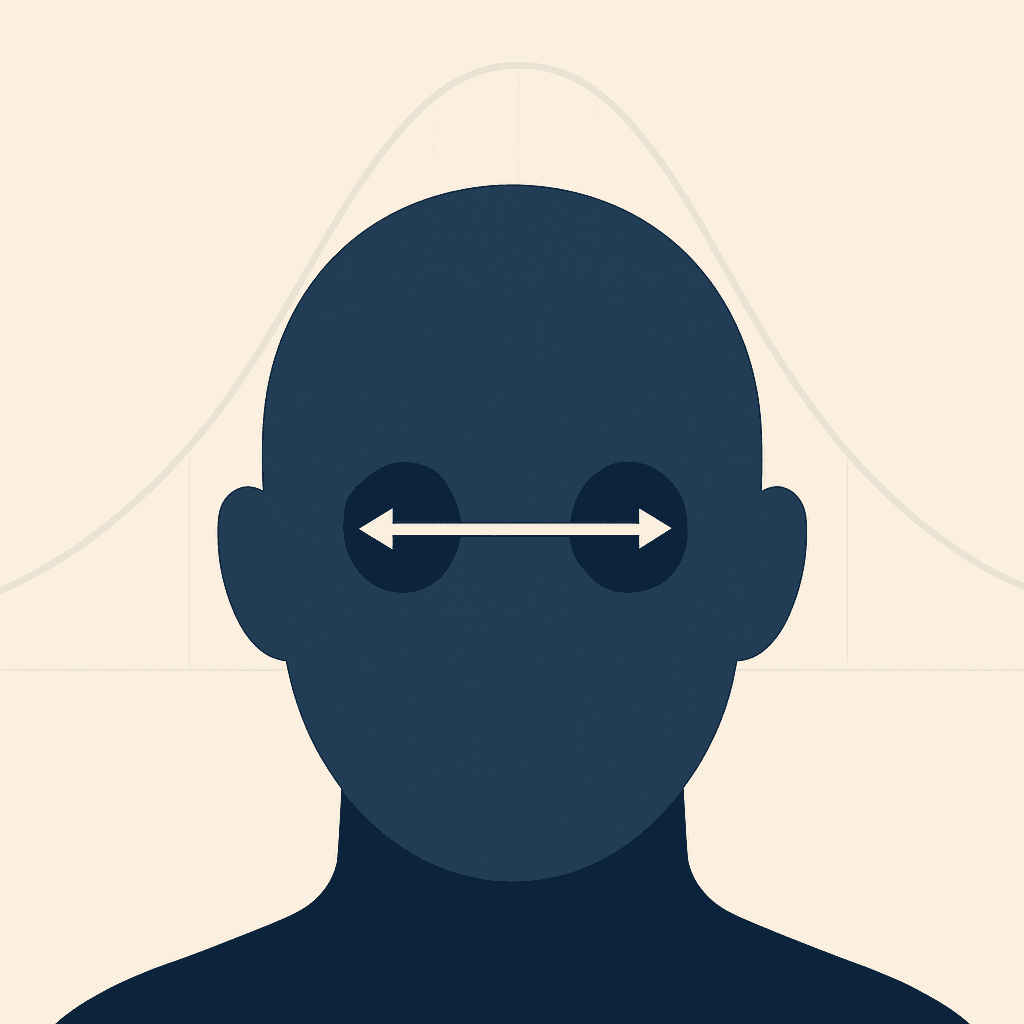
Why look at PD at scale? Pupillary distance (PD), the millimetres between the centres of your pupils, is the silent hero behind lens alignment. When PD is off, even a perfect prescription can feel blurry or induce strain. Because Optogrid captures PD remotely, we now have thousands of real-world readings instead of the handful anContinue reading “What 14,904 Pupillary Distance Measurements Tell Us About Human Faces”
Lens Manufacturing Technology: From Blank to Finished Prescription Lens

Lens Manufacturing Technology: From Blank to Finished Prescription Lens

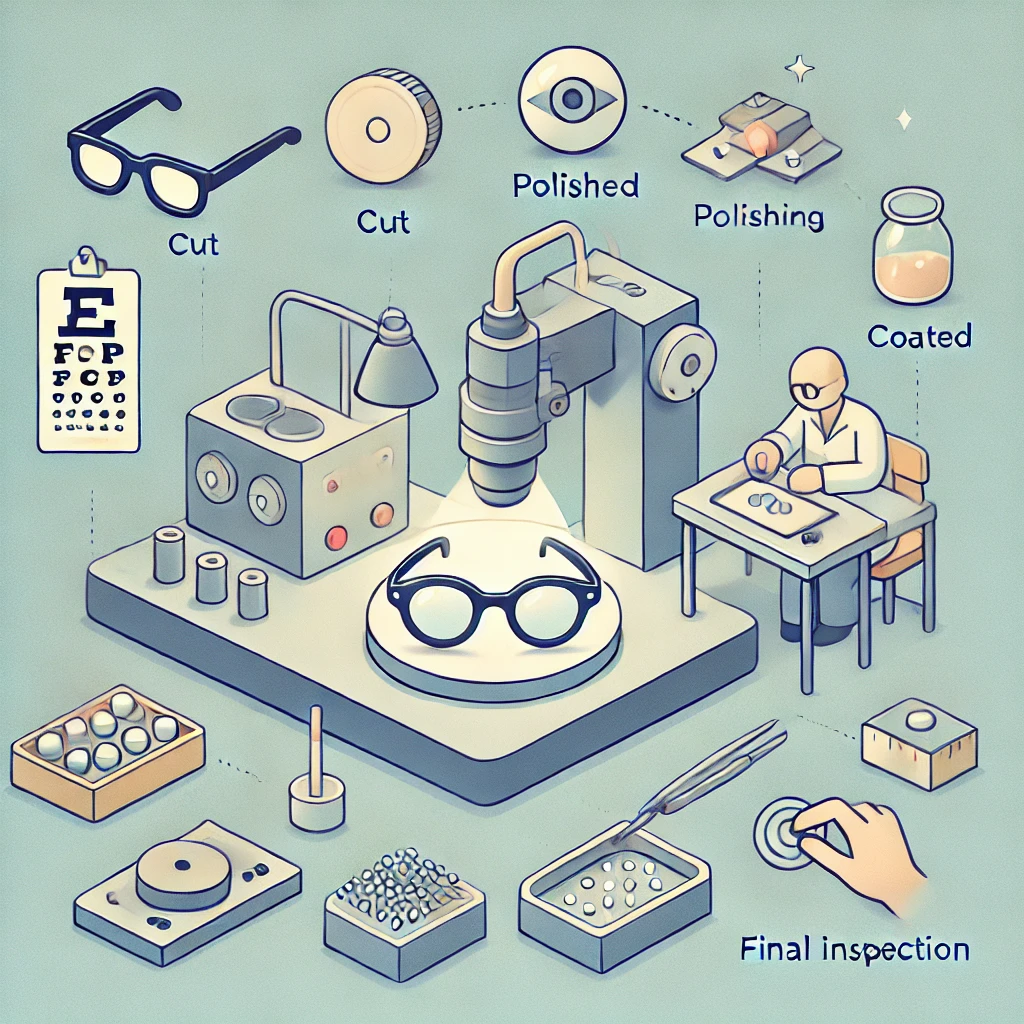
Short Answer: Ophthalmic lens manufacturing transforms a semi-finished lens blank into a prescription lens through four core stages: surfacing (or freeform generation), polishing, coating, and edging. Material choice (CR-39, polycarbonate, Trivex, or high-index plastic) determines the optical and physical properties of the final lens. Coating technologies (AR, hard coat, hydrophobic, oleophobic, and blue light filter) are applied in layers to improve performance and durability.
Essential Software Solutions for Eyewear Retailers

Essential Software Solutions for Eyewear Retailers

Short Answer: Eyewear retailers need software across seven categories to operate competitively: inventory management, point-of-sale, CRM, e-commerce, remote PD measurement, data analytics, and virtual try-on. The priority order depends on your business model — brick-and-mortar shops should start with inventory and POS, while online-first retailers need e-commerce and PD measurement tools from day one. TheContinue reading “Essential Software Solutions for Eyewear Retailers”
Best Glasses for Round Faces: A Professional Fitting Guide

Best Glasses for Round Faces: A Professional Fitting Guide

Short Answer: For round faces, angular frames — rectangular, square, cat-eye, and browline styles — provide the best optical balance. These shapes introduce straight lines and defined corners that contrast the face’s soft, curved proportions, creating the visual impression of greater length and definition. Avoid round, oval, and small circular frames that reinforce the face’sContinue reading “Best Glasses for Round Faces: A Professional Fitting Guide”