
Optogrid Blog
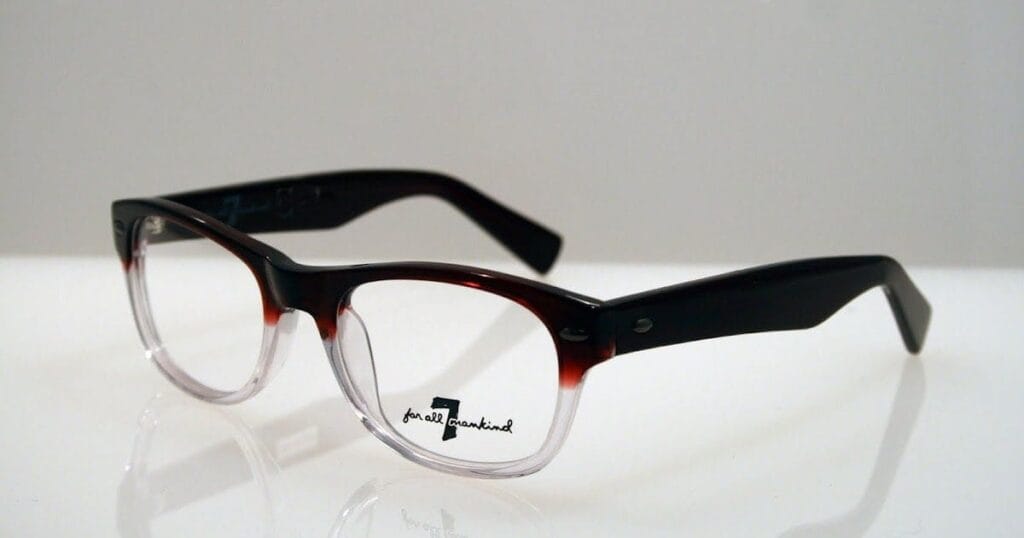
5 Essential Tools for Running an Online Eyewear Store
Discover the top 5 must-have tools for online eyewear shopping, from virtual try-ons to lens cleaners.

Optician Software: 5 Categories Every Practice Needs
A practical guide to the five core software categories every independent optician practice needs — from practice management and lab ordering to digital PD measurement.

Digital Tools for Optical Stores: A Practical Guide
A practical guide to POS systems, digital PD measurement, EHR, inventory software, and telehealth for optical practices, with implementation priorities by practice size.

Optician Software Solutions: Features, Pricing, and Comparison
Short Answer: Digital eye care services for optical practices fall into four categories: diagnostic imaging (OCT, AI-assisted fundus analysis), practice management software (EHR, scheduling, billing), remote measurement tools (digital PD, SH measurement from photographs), and teleoptometry platforms. Each has a defined clinical scope. Not all digital tools replace in-person care — the American Optometric Association’sContinue reading “Optician Software Solutions: Features, Pricing, and Comparison”
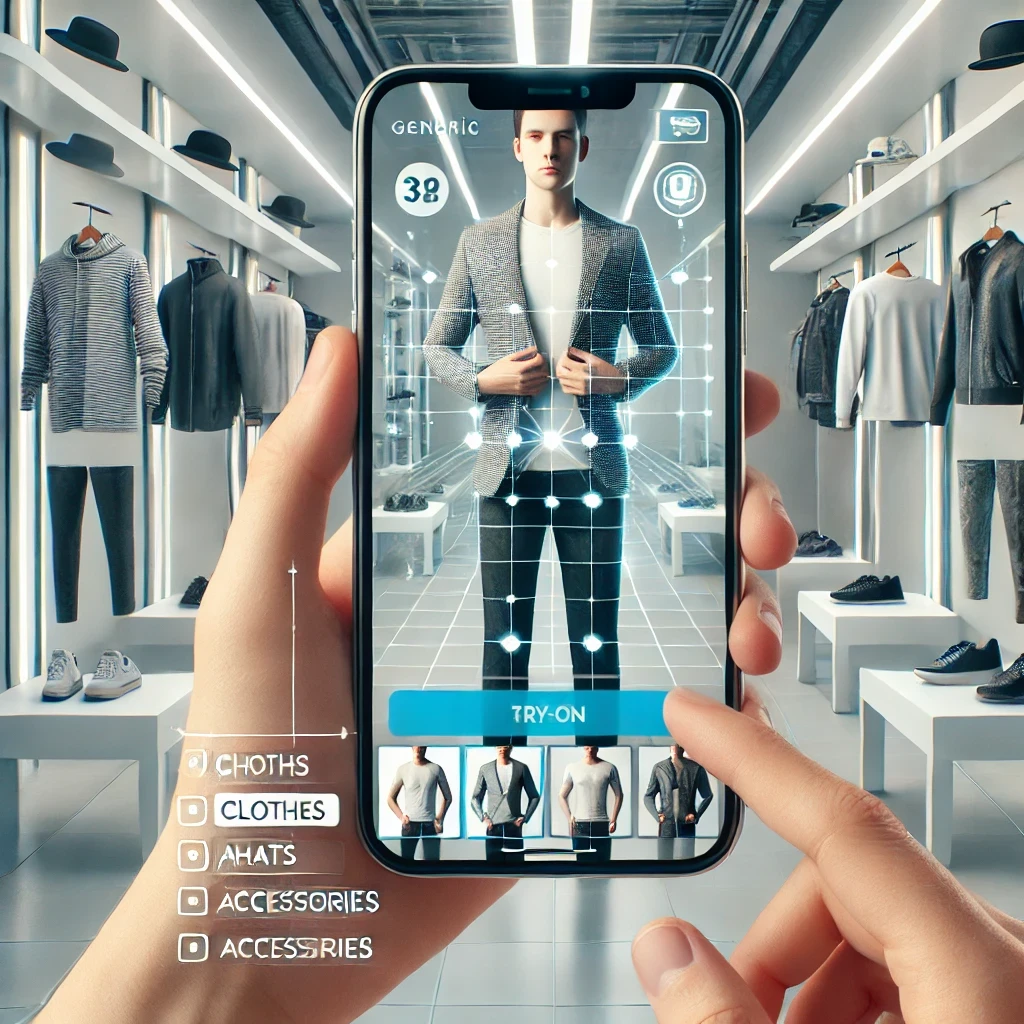
Eyewear Fitting Technology: Digital Tools for Accurate Frame Selection
Explore the 2024 eyewear revolution with AR tech, eco-friendly materials, and personalized fashion in our latest article.

Key Trends Shaping the Eyewear Industry in 2026
Explore key eyewear industry trends, from AR tech to sustainable practices, shaping the future of retail and design.

Innovative Optical Business Solutions: Navigating the Future of Eyecare Industry
Explore cutting-edge solutions shaping the eyecare industry, from AI integration to sustainable practices and strategic partnerships.

Online Vision Care Services: What Optical Professionals Need to Know
Short Answer: Teleoptometry can handle routine prescription updates and follow-up care remotely, but it cannot replace comprehensive in-person eye exams that include pupil dilation and disease screening. For optical professionals, the key questions are: which services belong in a remote workflow, what the regulatory requirements are, and how remote PD measurement fits into dispensing forContinue reading “Online Vision Care Services: What Optical Professionals Need to Know”
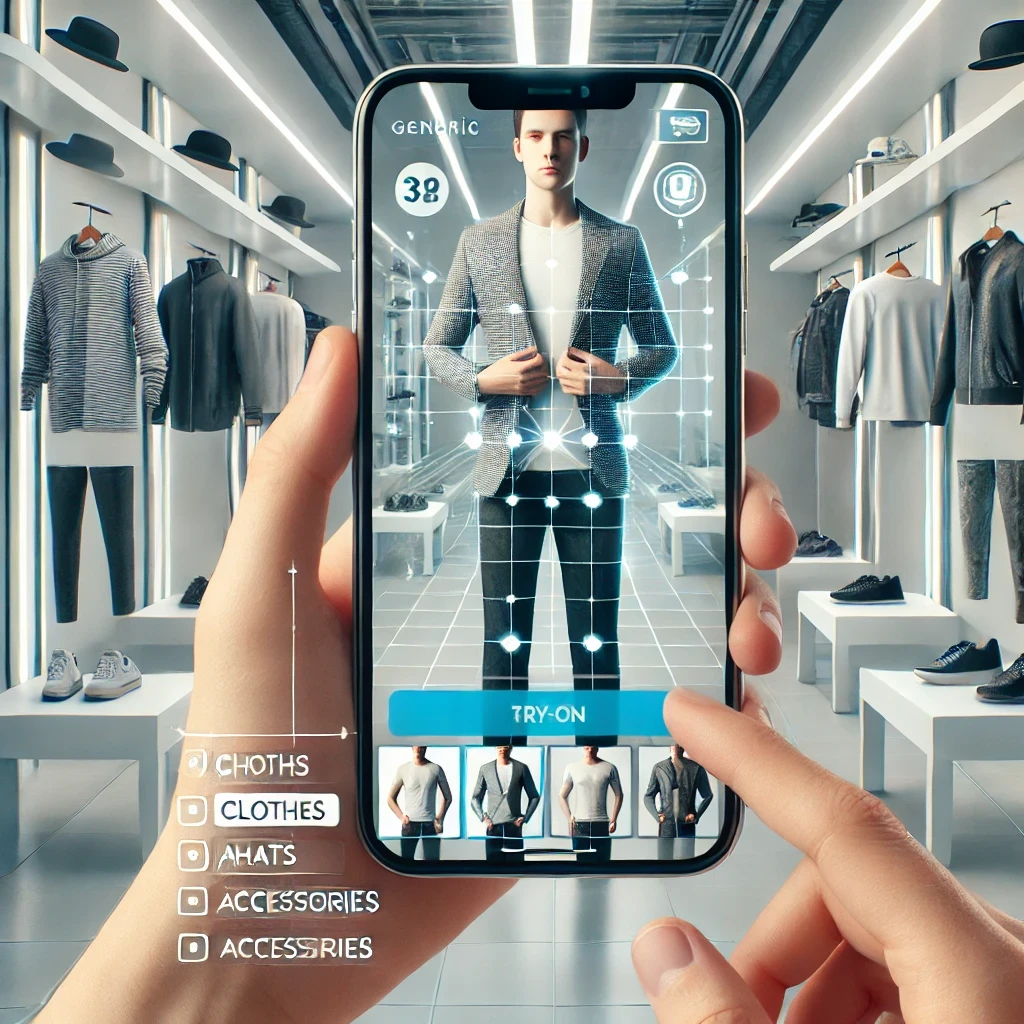
5 Eyeglasses Fitting Software Tools for Opticians
Discover 5 revolutionary eyeglasses fitting software solutions transforming optometry. Explore Topology Eyewear, OptikamPad, FittingBox, Smart Mirror by ABS, and PupilFit AI.
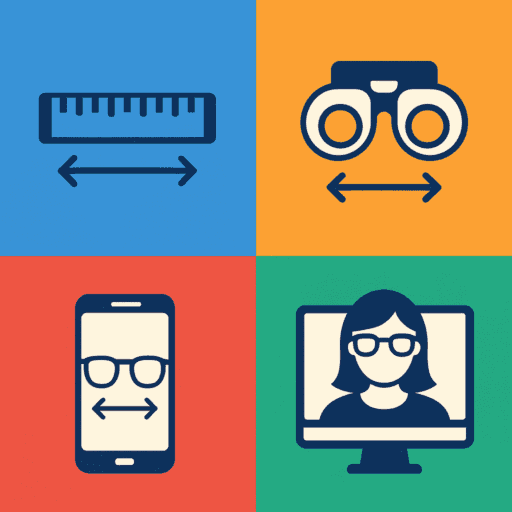
E-commerce Solutions for Optical Retailers: Platform Comparison
Compare Shopify, WooCommerce, BigCommerce, and optical-specific platforms for selling prescription eyewear online, with verified pricing and practical guidance for independent shops and multi-location chains.

SaaS Tools for Optometry Practices: A Buyer’s Guide
Short Answer: Optometry practices typically need four categories of SaaS tools — EHR/practice management, appointment scheduling, optical measurement, and billing. The right combination reduces administrative overhead, prevents lens remakes from measurement error, and keeps claims from being denied. This guide covers what each category does, what features matter, and what to evaluate before committing. WhatContinue reading “SaaS Tools for Optometry Practices: A Buyer’s Guide”
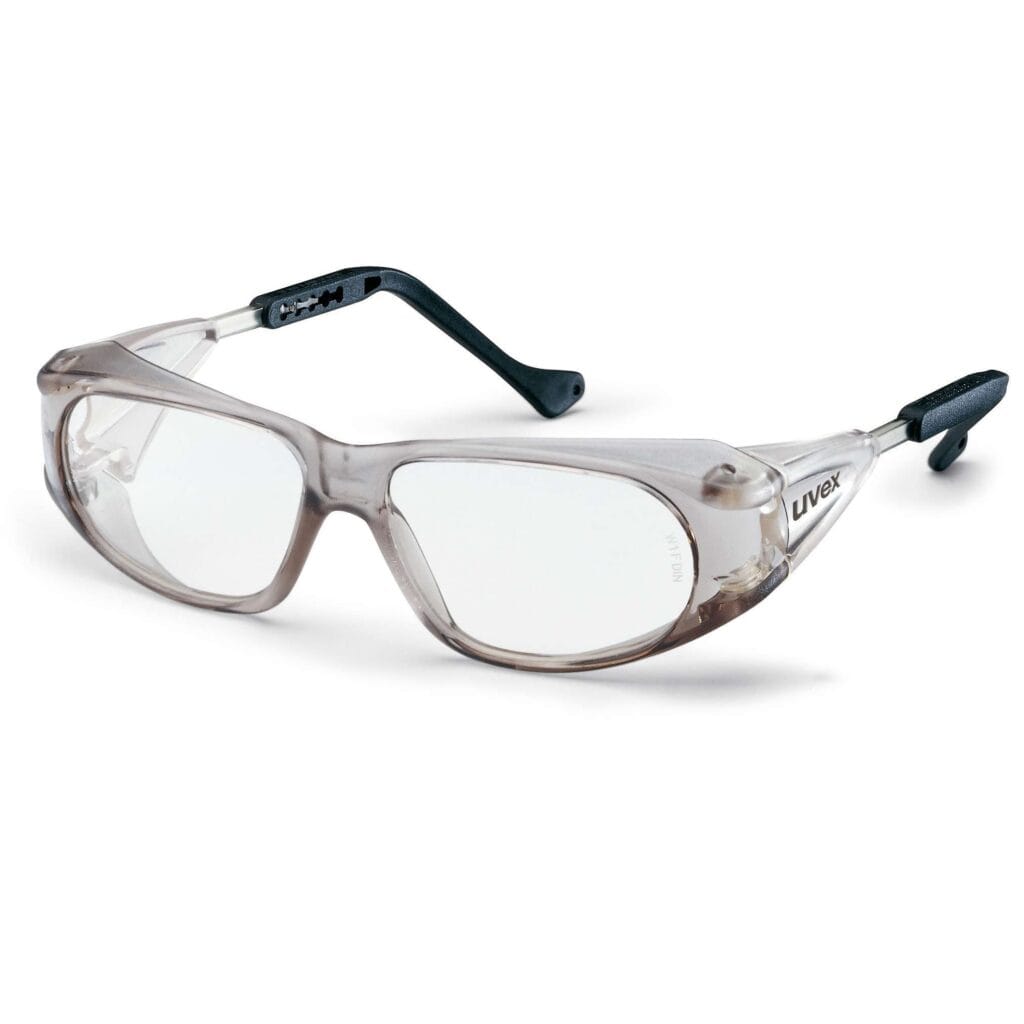
Prescription PPE: PD Accuracy and ANSI Z87.1 Compliance
Learn how Optogrid’s innovative online platform revolutionizes optical measurements for prescription PPE eyewear, offering simplicity and precision for eyeglasses businesses and optometrists.