

Short Answer: Digital eye care services for optical practices fall into four categories: diagnostic imaging (OCT, AI-assisted fundus analysis), practice management software (EHR, scheduling, billing), remote measurement tools (digital PD, SH measurement from photographs), and teleoptometry platforms. Each has a defined clinical scope. Not all digital tools replace in-person care — the American Optometric Association’s revised 2025 position statement specifies that the standard of care must remain the same whether services are delivered in-person or via telehealth.
What Counts as a Digital Eye Care Service
The phrase “digital eye care” covers a wide range of tools with very different clinical implications. Before evaluating any platform, optical practices need to distinguish between:
| Category | What It Does | Replaces In-Person? | Key Consideration |
|---|---|---|---|
| Diagnostic imaging (OCT, fundus) | Captures retinal and corneal data | No — requires in-person equipment | Image quality depends on technician skill |
| AI-assisted diagnosis | Flags pathology in captured images | No — supports clinical decision-making | FDA clearance status matters |
| Remote measurement (PD, SH) | Extracts optical measurements from photos | Yes, for specific measurements | Accuracy is clinically validated when done correctly |
| Teleoptometry | Remote consultation and follow-up | Partial — triage and follow-up only | Scope varies significantly by jurisdiction |
| Practice management software | EHR, scheduling, billing | N/A — operational tool | Cloud-based options now dominate new implementations |
Diagnostic Tools: What the Evidence Actually Shows
AI-Assisted Fundus Analysis
LumineticsCore (formerly IDx-DR) received FDA clearance in 2018 for autonomous detection of diabetic retinopathy and is now deployed in more than 60 health systems in the United States, according to the American Optometric Association. This represents one of the clearest examples of AI augmenting — not replacing — the optometrist’s workflow: the system flags patients requiring follow-up, not a final diagnosis.
OCT remains the most clinically impactful digital diagnostic tool in routine optometry. It enables detection of macular disease, optic nerve disease, and corneal pathology that would otherwise require referral to ophthalmology.
The Wearable Device Landscape
Wearable devices in eye care are still largely experimental in clinical contexts. Research published in PMC (Smart Devices in Optometry, 2024) shows that the SightPlus device improved distance visual acuity by an average of 0.63 logMAR units in children with low vision — a meaningful finding, but specific to rehabilitation contexts, not general practice.
Smart contact lenses capable of monitoring intraocular pressure exist in research settings but have not reached routine clinical use. Practices evaluating wearables should focus on what has cleared regulatory review versus what remains in development.
Digital PD Measurement: Clinical Accuracy for Online Dispensing

Accurate pupillary distance (PD) measurement is where digital tools have the most direct impact on optical practice revenue and patient outcomes.
A 2023 clinical study published in PMC (Comparing the Effectiveness of Smartphone Applications in the Measurement of Interpupillary Distance) compared three smartphone applications against a digital pupilometer across 44 subjects aged 20 to 75. The study found that leading apps achieved a mean absolute error of 0.511 mm — within the tolerance range for spectacle manufacture. For a detailed breakdown of how different PD measurement approaches compare in accuracy, cost, and clinical suitability, see the comparison of four PD measurement methods.
A separate 2024 study confirmed that measurements obtained with a mobile phone application were shorter than pupilometry by a mean difference of -0.59 mm, with limits of agreement at -2.89 to 1.70 mm. The researchers concluded this difference “is within tolerance for spectacle manufacture.” These findings align with Optogrid’s analysis of 14,904 real-world PD measurements, which shows that large-scale digital measurement data closely tracks peer-reviewed clinical literature on PD distributions.
Why This Matters for Online Dispensing
Inaccurate PD is a primary driver of prescription eyewear returns. According to data from Fittingbox:
- 31% of customers who returned prescription glasses cited vision discomfort as the primary reason
- PD mismatches were present in over half of those cases
- Retailers who implemented a precise PD measurement tool saw returns drop by up to 57% within the first year
- With accurate PD, return rates dropped from 22.4% to 9.6%, and customer satisfaction increased from 71% to 92%
For optical practices offering online dispensing or working with remote patients, digital PD measurement from photographs is the single highest-impact digital tool to evaluate. Optogrid’s photo-based measurement approach is designed specifically for this workflow: the optician uploads a patient photograph and receives PD and segment height (SH) measurements without requiring the patient to be present.
For step-by-step measurement guidance, see the Optogrid PD and SH measurement tutorial.
Teleoptometry: Scope, Limitations, and Practice Guidelines
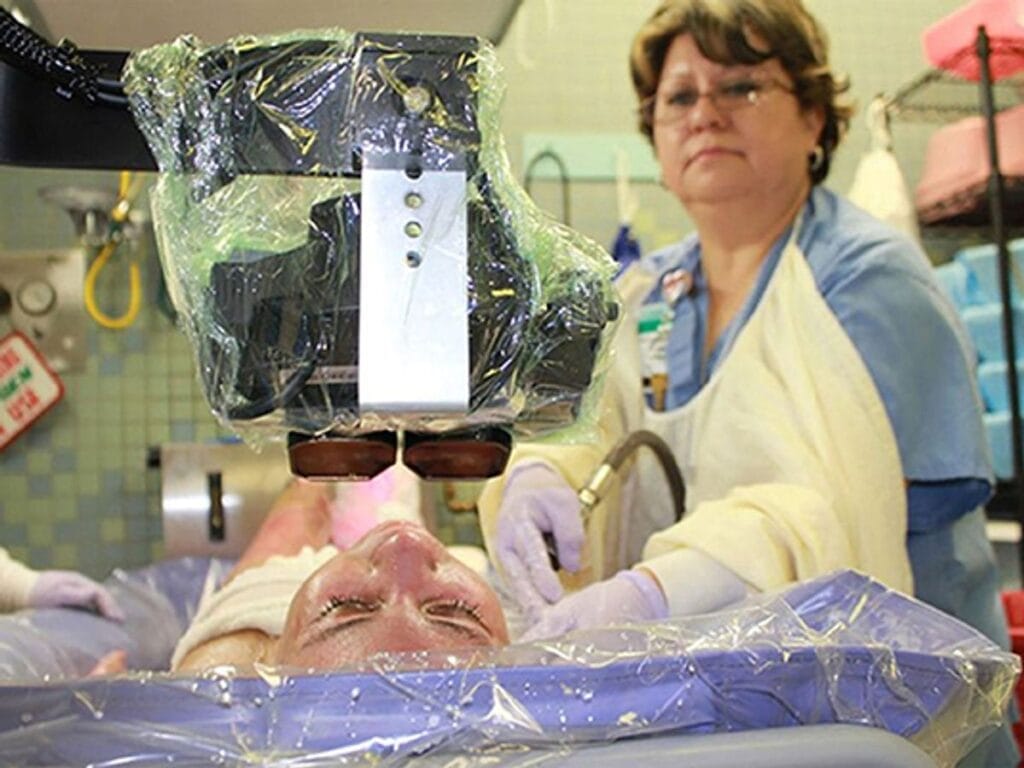
Teleoptometry expanded rapidly during the COVID-19 pandemic and has stabilised as a permanent component of practice in many regions. For a broader look at how online vision care is reshaping professional workflows, see the guide to online vision care services for optical professionals. However, the clinical evidence base is still developing.
A systematic literature review published in PMC (The Role of Optometry in the Delivery of Eye Care via Telehealth) analyzed 27 studies on teleoptometry. Key findings:
- Most patients were “highly satisfied with the quality of care they received when attending a comprehensive teleoptometric eye examination”
- 19 of 27 studies involved ophthalmology-led collaborations, with optometrists often acting as facilitators
- The authors noted “a scarcity of evidence regarding clinical benefits, safety, and outcomes of optometry-facilitated teleoptometry”
What Teleoptometry Works For
| Use Case | Evidence Level | Notes |
|---|---|---|
| Triage of acute complaints | Supported | Reduces unnecessary emergency visits |
| Follow-up for stable chronic conditions | Supported | Glaucoma monitoring, dry eye follow-up |
| Remote consultation with specialists | Supported | Ophthalmology-optometry co-management |
| Comprehensive refraction remotely | Limited | Technology improving but regulatory constraints apply |
| Pediatric screening in underserved areas | Supported | Particularly effective when in-person follow-up is arranged |
AOA Position on Teleoptometry
The American Optometric Association’s revised 2025 policy statement establishes that “the standard of care for eye, health, and vision services must remain the same regardless of whether services are provided in-person, remotely via telehealth, or through any combination thereof.” Practices implementing teleoptometry services must verify compliance with state licensure requirements, which vary significantly by jurisdiction.
Practice Management Software: Practical Selection Criteria
The optometry practice management software market grew from USD 364.72 million in 2024 to USD 397.80 million in 2025 (CAGR of 9.47%), reflecting consistent adoption across independent and group practices.
Cloud-based systems now dominate new implementations due to lower upfront investment and easier remote access. When evaluating practice management software, prioritize these functional areas:
Clinical functions:
- Electronic health records with optical-specific templates (refraction data, contact lens parameters, spectacle prescriptions)
- Integration with diagnostic imaging equipment (OCT, fundus cameras)
- Recall and recall reminder automation
Operational functions:
- Insurance billing with optical-specific codes
- Appointment scheduling with chair time management
- Inventory management for frames and contact lenses
Patient communication:
- Automated recall reminders
- Secure messaging compliant with applicable health data regulations
- Patient portal access to records and prescriptions
The digital transformation in optometry goes beyond any single software category. Practices that integrate measurement tools, EHR systems, and patient communication into a coherent workflow see the strongest operational improvements. For a deeper look at how AI fits into this picture, see AI in optical practices.
The Global Context: Access Gaps and Digital Solutions
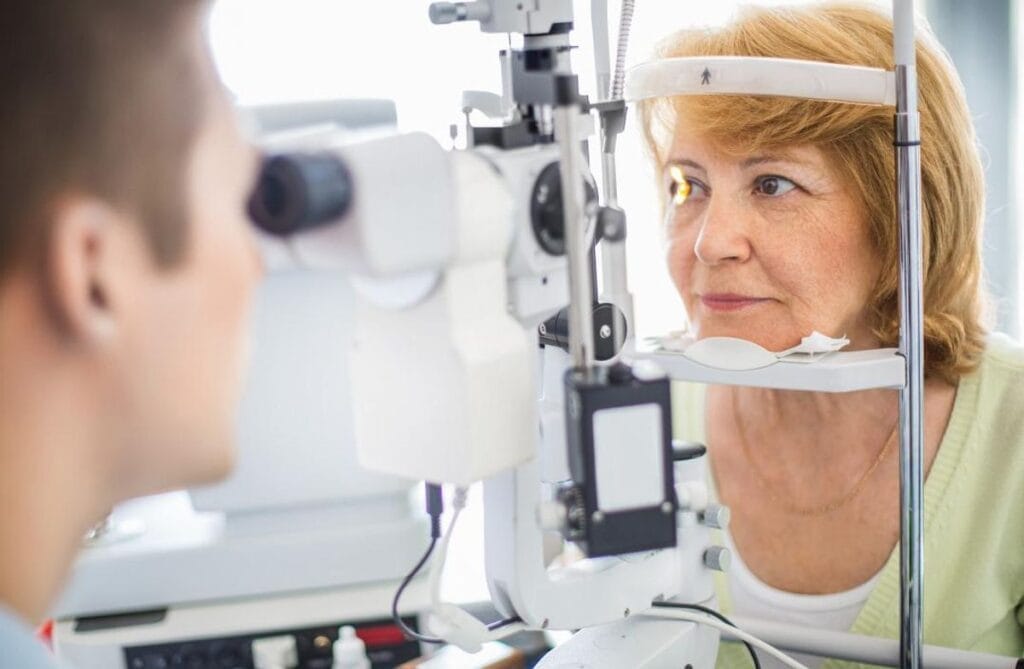
The WHO estimates that at least 2.2 billion people globally have a near or distance vision impairment, and for at least 1 billion of these people, vision impairment could have been prevented or is yet to be addressed. The main causes of preventable distance vision impairment include refractive error (88.4 million people) and cataract (94 million people).
Two out of three people in low-income countries who need eyeglasses do not have access to them. Digital tools — particularly smartphone-based screening and remote measurement — are being deployed to address this access gap in contexts where traditional optical infrastructure is absent.
For practices operating in higher-resource settings, the access gap reinforces a different point: digital measurement and teleoptometry allow practices to extend their clinical reach to patients who face barriers to in-person care, including mobility limitations, geographic distance, and schedule constraints.
Evaluating Digital Tools for Your Practice: A Decision Framework
Before adopting any digital eye care service, optical practices should work through these questions:
- What clinical problem does this tool address? Vague claims of “improving patient experience” are insufficient. Define the specific outcome you are measuring.
- Is the tool validated for your use case? FDA clearance, CE marking, and peer-reviewed clinical studies are different standards. Know which applies to the tool you are evaluating.
- What does it replace vs. augment? Digital PD measurement replaces manual ruler measurement for remote patients. AI fundus analysis augments — it does not replace — the optometrist’s clinical judgment.
- What are the jurisdictional requirements? Teleoptometry scope of practice varies by state/country. Verify before implementing any remote care service.
- What is the integration path? Tools that require manual data entry between systems create workflow friction that erodes any efficiency gains.
For practices specifically evaluating remote measurement workflows, see the overview of online eyewear measurement techniques and the comparison of digital PD measurement approaches. For a broader comparison of software categories relevant to optical shops, the optician software solutions guide covers the full landscape.
Frequently Asked Questions
What digital eye care services can an optical practice implement today without significant capital investment?
Practice management software (cloud-based EHR and scheduling), digital PD measurement from patient photographs, and basic teleoptometry platforms for follow-up consultations all have low entry costs. Digital PD tools like Optogrid operate on a per-measurement or subscription basis and require only a computer — no additional hardware.
Is teleoptometry the same as telemedicine?
Teleoptometry refers specifically to eye care delivered via remote communication technology. It operates under the same professional and ethical standards as in-person optometry, with additional requirements for technology platform security and state licensure compliance.
Can digital PD measurement replace a pupilometer?
For in-person measurements, a pupilometer remains the standard. For remote or online dispensing workflows where the patient is not physically present, photograph-based measurement tools have been clinically validated to within spectacle manufacturing tolerances. A 2023 PMC study found leading apps achieved a mean absolute error of 0.511 mm against a digital pupilometer reference — within accepted clinical tolerances.
What is the AOA’s position on using AI tools in optometry?
The AOA’s 2025 telehealth policy statement separated AI considerations from telehealth policy, noting that AI issues are not specific to telehealth delivery. AI diagnostic tools (such as FDA-cleared fundus analysis systems) are evaluated on their own clinical and regulatory merits.
How does digital PD measurement reduce prescription eyewear returns?
Inaccurate PD causes lens optical centers to misalign with the patient’s visual axes, producing discomfort and reduced visual performance. Research data from Fittingbox indicates that implementing a precise digital PD tool reduced return rates by up to 57% in the first year, with customer satisfaction increasing from 71% to 92%.
What evidence exists for teleoptometry’s clinical outcomes?
A systematic review of 27 studies on teleoptometry (published in PMC, 2023) found that most patients were highly satisfied with teleoptometric examinations, but the authors noted a scarcity of evidence specifically on clinical outcomes and safety. Teleoptometry is best supported by evidence for triage, specialist referral, and follow-up of stable conditions.
Should pediatric eye care be delivered differently via teleoptometry?
Pediatric cases require particular care with teleoptometry. Early screening for vision issues is well-established as clinically important — amblyopia and strabismus require in-person examination for diagnosis and treatment. Teleoptometry in pediatric care is most appropriate for initial screening, parental guidance, and follow-up after in-person diagnosis, not for replacing the comprehensive pediatric eye exam.
How do I evaluate whether a digital diagnostic tool is FDA-cleared?
Search the FDA’s 510(k) database or De Novo database at fda.gov using the device name or manufacturer. FDA clearance means the device is substantially equivalent to a legally marketed device. It does not mean the device has been proven superior to existing methods in all cases.

I grew up inside an optical shop. My mother likes to tell how, as a kid, I would watch eyeglasses being assembled, play with the tools, and draw on the back of service order slips. The family business taught me early what a precise measurement and work done right are worth.
I went on to spend more than twenty years as a software engineer, always keeping an eye on the optical world. Optogrid was born where the two meet: digital measurement technology (pupillary distance and fitting heights) built by someone who knows the dispensing counter from the inside.