

If you’ve noticed a small change in our name. Yes, your eyes aren’t playing tricks on you!Optigrid is becoming Optogrid, with an “O.” It’s a simple letter swap, but it represents a big step forward in our journey. Why the change? When we launched Optigrid, our goal was clear: to make it easier for opticalContinue reading “🌟 From Optigrid to Optogrid: Same Vision, Sharper Focus”
Category Archives: blog
Myopia Control in Children: A Guide for Opticians
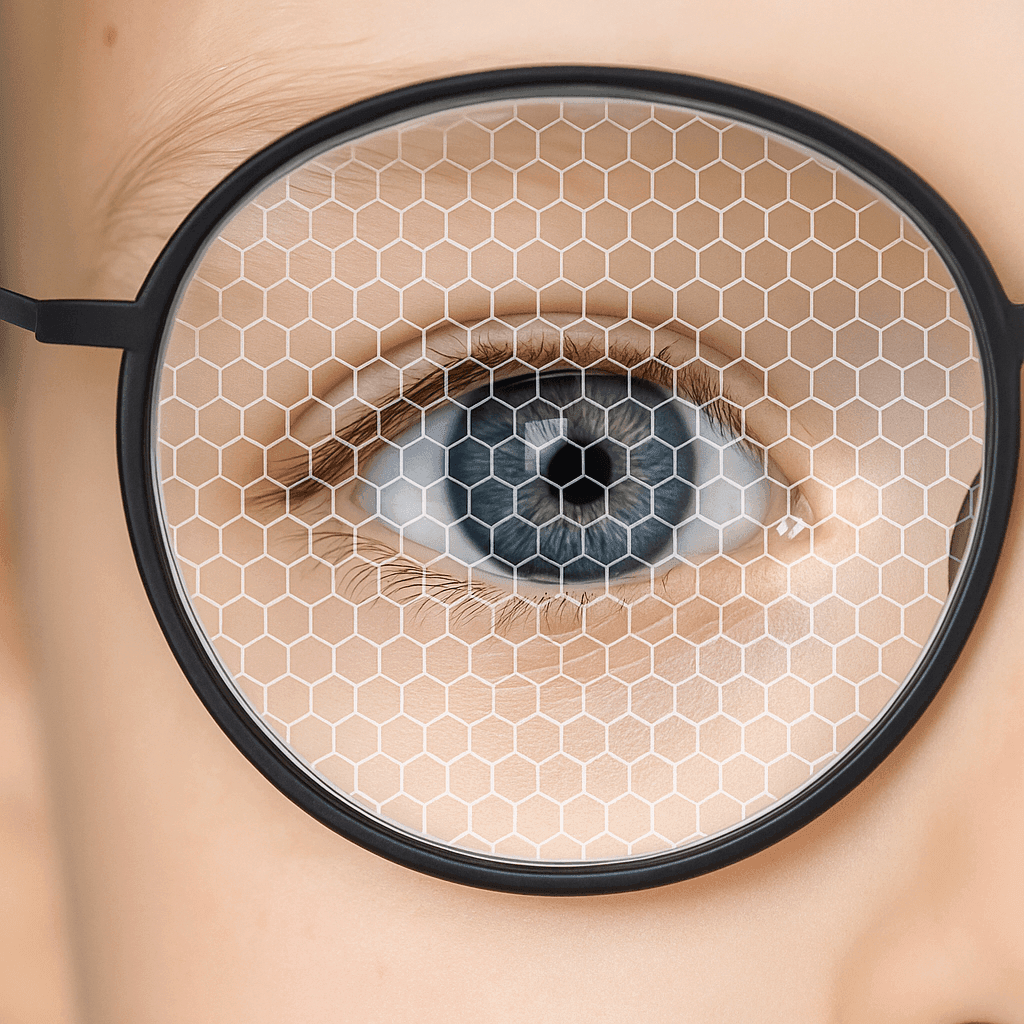
TL;DR: Childhood myopia (nearsightedness) often worsens each year as kids’ eyes grow. Unchecked, it can lead to high prescriptions and higher risks of serious eye problems in adulthood. Thankfully, evidence-based interventions can slow myopic progression by ~30–60%, including low-dose atropine eye drops, overnight corneal reshaping (orthokeratology), special multifocal contact lenses, and new defocus spectacle lensesContinue reading “Myopia Control in Children: A Practical, Science-Backed Guide for Opticians and Parents”
2025 Eyeglasses Technology: What’s Shipping Now and What’s Coming

Explore cutting-edge eyeglasses tech for better vision & comfort with digital, wearable, & smart lens innovations.
What 14,904 Pupillary Distance Measurements Tell Us About Human Faces

Why look at PD at scale? Pupillary distance (PD), the millimetres between the centres of your pupils, is the silent hero behind lens alignment. When PD is off, even a perfect prescription can feel blurry or induce strain. Because Optogrid captures PD remotely, we now have thousands of real-world readings instead of the handful anContinue reading “What 14,904 Pupillary Distance Measurements Tell Us About Human Faces”
Prescription Lens Fitting for Special Conditions: A Clinical Guide
Discover how to decode your prescription for the perfect lens fit, frame selection, and eyewear care in our comprehensive guide.
Comparing 4 PD Measurement Methods: Accuracy, Cost and Best Use Cases

Digital pupillometers achieve ±0.5mm accuracy while online tools like Optogrid reach ±1mm, both meeting ANSI Z80.1 tolerances for progressive lenses. Traditional rulers average 0.5-2mm variance. This guide compares accuracy, cost, and ROI across four methods to help optical businesses choose the right fit.
Segment Height for Progressive Lenses: The Optician’s Fitting Guide
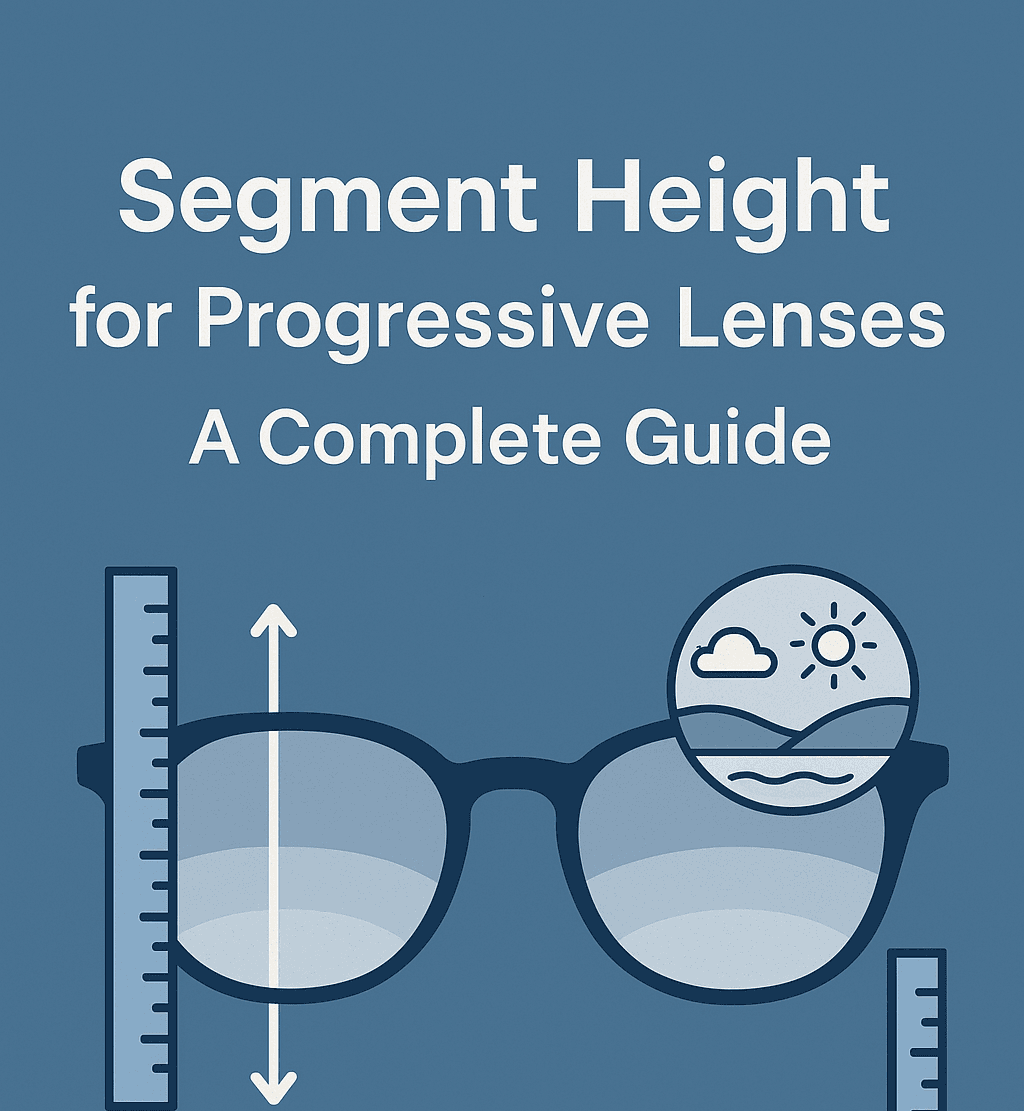
Discover the importance of segment height for progressive lenses, how to measure it accurately, common mistakes, and tips to optimize your vision. Perfect vision starts here.
Eyewear Maintenance Guide: How to Clean and Care for Your Glasses

Learn how to maintain and clean your eyeglasses for optimal clarity. Discover industry best practices, recommended cleaning tools, and actionable tips for extending the lifespan of your eyewear.
Lens Manufacturing Technology: From Blank to Finished Prescription Lens
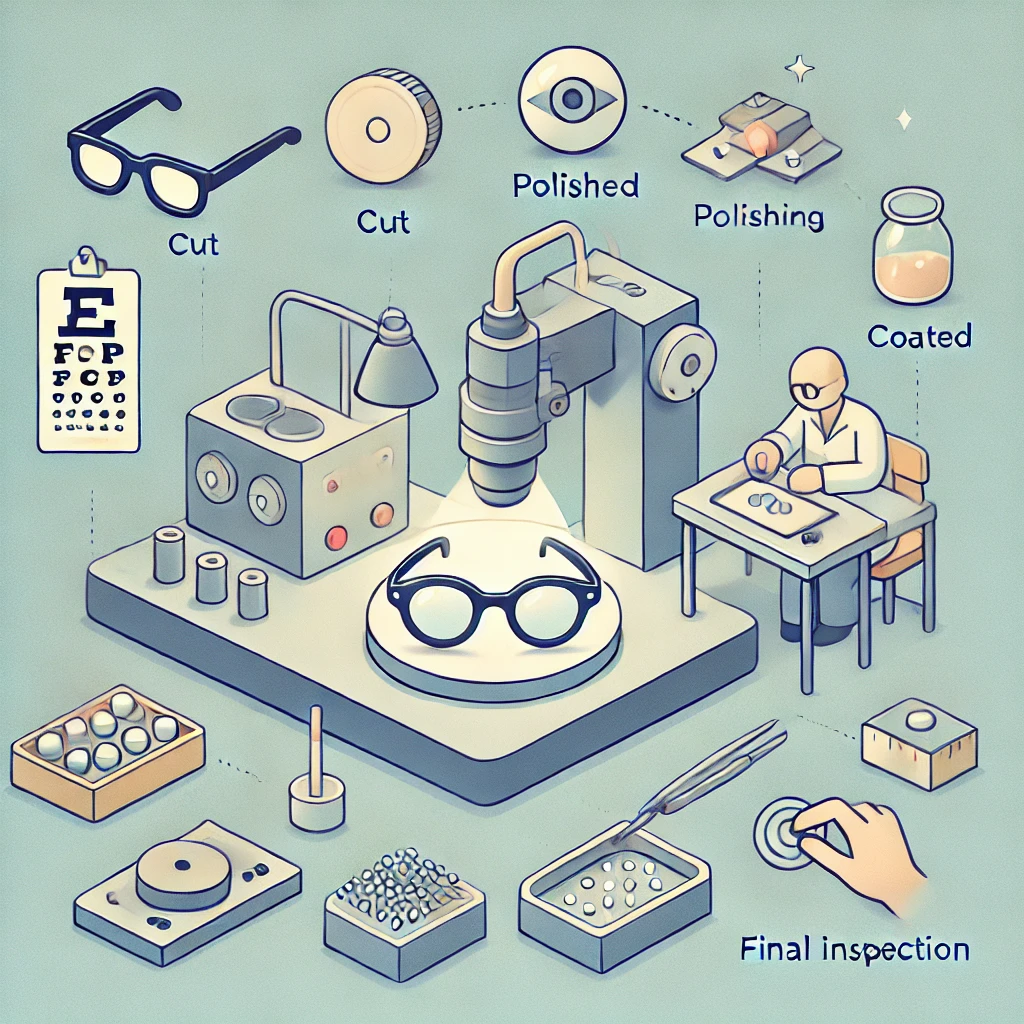
Short Answer: Ophthalmic lens manufacturing transforms a semi-finished lens blank into a prescription lens through four core stages — surfacing (or freeform generation), polishing, coating, and edging. Material choice (CR-39, polycarbonate, Trivex, or high-index plastic) determines the optical and physical properties of the final lens. Coating technologies — AR, hard coat, hydrophobic, oleophobic, and blueContinue reading “Lens Manufacturing Technology: From Blank to Finished Prescription Lens”
Essential Software Solutions for Eyewear Retailers

Short Answer: Eyewear retailers need software across seven categories to operate competitively: inventory management, point-of-sale, CRM, e-commerce, remote PD measurement, data analytics, and virtual try-on. The priority order depends on your business model — brick-and-mortar shops should start with inventory and POS, while online-first retailers need e-commerce and PD measurement tools from day one. TheContinue reading “Essential Software Solutions for Eyewear Retailers”