
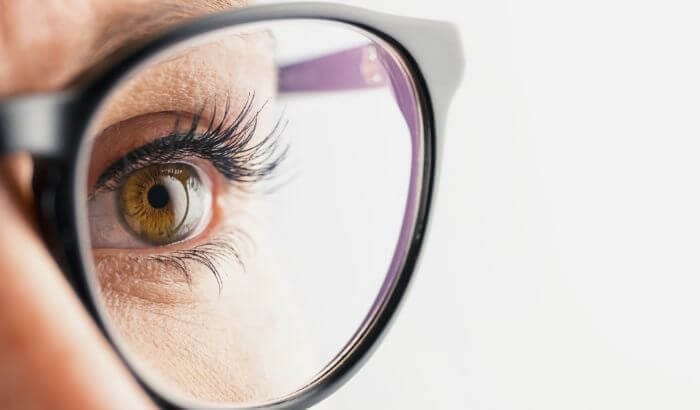
The pupil is the circular opening at the center of the iris that controls how much light reaches the retina. It ranges from 2 to 4 mm in bright light and expands to 4 to 8 mm in darkness, according to the NCBI clinical reference on pupil size. Two opposing iris muscles govern this adjustment: the sphincter pupillae (parasympathetic, constricts) and the dilator pupillae (sympathetic, dilates). Changes in pupil size and reactivity also serve as diagnostic indicators for neurological and ocular conditions, from benign physiological anisocoria to serious pathology like third nerve palsy.
This guide covers the muscular anatomy that controls the pupil, the neural pathway behind the pupillary light reflex, normal size ranges across lighting conditions and age groups, and the clinical conditions that affect pupil behavior.
Muscular Anatomy of the Pupil
The pupil is not a physical structure. It is an aperture, an absence of tissue in the center of the iris. What controls its diameter are two smooth muscles embedded in the iris stroma.
Sphincter Pupillae (Constrictor)
The sphincter pupillae is a ring of smooth muscle fibers encircling the pupillary margin. As described in StatPearls on the iris sphincter muscle, it “encircles the pupil of the iris and functions to constrict the pupil in bright light via the pupillary light reflex or during accommodation.” Parasympathetic nerve fibers from the Edinger-Westphal nucleus travel along cranial nerve III (the oculomotor nerve), synapse at the ciliary ganglion, and reach the sphincter via the short ciliary nerves. When activated, the muscle contracts concentrically, narrowing the pupil (miosis).
Dilator Pupillae
The dilator pupillae consists of radial smooth muscle fibers that extend from the pupillary margin toward the iris periphery, arranged like spokes of a wheel. Sympathetic innervation originates in the hypothalamus, descends through the brainstem and cervical spinal cord, and reaches the eye via the long ciliary nerves. When the sympathetic system activates, these radial fibers contract and pull the iris open, enlarging the pupil (mydriasis).
These two muscles work in constant opposition. At any given moment, the pupil diameter reflects the balance between parasympathetic tone (constriction) and sympathetic tone (dilation).
The Pupillary Light Reflex: A Neurological Pathway in Milliseconds
The pupillary light reflex (PLR) is an involuntary response that adjusts pupil size in response to changes in ambient light. Its integrity depends on a complete neural circuit involving both cranial nerve II (optic) and cranial nerve III (oculomotor).
According to the StatPearls review on the pupillary light reflex, the pathway works as follows:
Afferent limb (detecting light):
- Light stimulates retinal photoreceptors (rods and cones)
- The signal travels via the optic nerve (CN II) through the optic chiasm
- Fibers project to the pretectal nuclei in the midbrain
- Each pretectal nucleus sends bilateral signals to both Edinger-Westphal nuclei
Efferent limb (motor response):
- Parasympathetic fibers exit the Edinger-Westphal nucleus via the oculomotor nerve (CN III)
- These fibers synapse at the ciliary ganglion
- Postganglionic short ciliary nerves stimulate the sphincter pupillae
- Both pupils constrict, even when only one eye receives light (consensual response)
The bilateral nature of this reflex is clinically significant. When a clinician shines a light in one eye, both pupils should constrict equally. Asymmetry in this response points to a specific location of damage along the pathway.
The Accommodation Reflex
Pupil constriction also occurs during near focusing, independent of light changes. The NCBI clinical reference notes that “both pupils constrict when the eye is focused on a near object (accommodative response).” This near triad includes accommodation (lens thickening), convergence (eyes turning inward), and pupillary constriction. The resulting smaller aperture improves depth of field, much like stopping down a camera lens for sharper close-up images.
Normal Pupil Size: 2 mm to 8 mm Across Conditions
Pupil diameter varies with lighting, age, medications, and emotional state. The Cleveland Clinic defines the normal range: “A pupil’s normal size is 2 to 4 millimeters in bright light and 4 to 8 millimeters in dim light.”
Pupil Size by Lighting Condition
| Lighting Condition | Normal Pupil Diameter |
|---|---|
| Bright light | 2 to 4 mm |
| Indoor fluorescent light | 3 to 4 mm |
| Dim light or darkness | 4 to 8 mm |
Factors That Influence Pupil Size
Beyond ambient light, several factors affect pupil diameter:
- Age: Pupils reach maximum dilation capacity around age 15 and progressively shrink after age 25. The NCBI clinical reference notes that “in old people and in patients with iris atrophy, the sphincter becomes rigid, hence the light reaction diminishes in extent.”
- Iris color: Brown irises contract less than blue irises in response to the same light stimulus.
- Emotional state: Fear, excitement, pain, and cognitive effort all trigger sympathetic activation, producing dilation.
- Medications: Anticholinergics, sympathomimetics, and recreational drugs (cocaine, MDMA, amphetamines) cause dilation. Opioids, cholinergic agents, and pilocarpine cause constriction.
- Fatigue: Fatigued individuals tend to have smaller, more sluggish pupils.
Physiological Anisocoria: When Unequal Pupils Are Normal
Not all asymmetry is pathological. According to the StatPearls review on anisocoria, “the prevalence of physiologic anisocoria is generally considered to be around 10 to 20%.” Physiological anisocoria is characterized by a difference of typically less than 0.8 mm, remains constant in both bright and dim light, and requires no treatment. Both pupils respond normally to light and accommodation.
The clinical distinction is straightforward: if the asymmetry does not change between bright and dim conditions, it is almost certainly physiological. If the asymmetry increases in one lighting condition, further workup is needed.
Mydriasis (Dilated Pupils): Normal Responses vs. Warning Signs
Mydriasis refers to pupil dilation beyond 5 to 6 mm in normal indoor lighting. Many causes are physiological: dark environments, strong emotions, physical exertion, and acute pain all produce temporary dilation.
Seek immediate medical evaluation if dilation occurs with any of these features:
- Sudden onset in one eye only (unilateral mydriasis)
- Pupil unresponsive to bright light
- Accompanied by severe headache, nausea, or vomiting
- Following head trauma
- Associated with double vision or blurred vision
- Drooping eyelid (ptosis) on the same side
These combinations may indicate a cerebral aneurysm compressing cranial nerve III, increased intracranial pressure, oculomotor nerve damage, or stroke. Unilateral fixed mydriasis is a neurological emergency until proven otherwise.
If you experience light sensitivity along with pupil changes, our guide on photophobia covers causes, symptoms, and management strategies.
Clinical Conditions That Affect the Pupil

The pupil’s dependence on an intact autonomic nervous system makes it a sensitive indicator of neurological and ocular health. Abnormalities in size, shape, or reactivity often localize a lesion to a specific point along the sympathetic or parasympathetic pathway.
Marcus Gunn Pupil (Relative Afferent Pupillary Defect)
A Marcus Gunn pupil, or relative afferent pupillary defect (RAPD), occurs when one eye’s afferent pathway (retina to brain) is damaged. The StatPearls review on RAPD describes it as “a defect in the afferent pathway of the light reflex.”
The swinging flashlight test reveals it: when the light swings from the normal eye to the affected eye, the affected pupil paradoxically dilates instead of constricting. This happens because the damaged eye transmits a weaker light signal to the brain, so both pupils dilate as if the light had dimmed.
Common causes include:
- Optic neuritis (often the earliest sign of multiple sclerosis)
- Ischemic optic neuropathy
- Extensive retinal detachment
- Asymmetric advanced glaucoma
- Tumors compressing the optic nerve
An RAPD signals unilateral or asymmetric damage to the retina or optic nerve and requires prompt ophthalmological investigation.
Anisocoria: Diagnostic Framework for Unequal Pupils
Anisocoria, a difference in pupil size between the two eyes, is common. The diagnostic approach depends on whether the asymmetry worsens in bright light or dim light.
Anisocoria worse in dim light suggests a problem with the sympathetic pathway. The smaller pupil is the abnormal one (it fails to dilate). The classic example is Horner syndrome: miosis, ptosis, and anhidrosis on the affected side, caused by disruption anywhere along the three-neuron sympathetic chain.
Anisocoria worse in bright light suggests a problem with the parasympathetic pathway. The larger pupil is the abnormal one (it fails to constrict). Causes include oculomotor nerve palsy and Adie tonic pupil.
When to seek medical attention for anisocoria:
- New-onset asymmetry (not present in old photographs)
- Associated with eye pain, double vision, or ptosis
- Following head or eye trauma
- Accompanied by other neurological symptoms
Polycoria: Multiple Pupillary Openings
Polycoria is an extremely rare condition in which more than one pupillary opening exists in a single iris.
- True polycoria: Each opening has its own functional sphincter muscle (exceptionally rare)
- Pseudopolycoria: Multiple openings, but only one is surrounded by functional sphincter tissue (more common)
Most cases are congenital and unilateral. Vision is typically unaffected unless the openings are large enough to scatter light. Surgical correction is possible when symptoms warrant it.
Argyll Robertson Pupil: The Neurosyphilis Marker
Argyll Robertson pupils are small (under 2 mm), irregular, and demonstrate a specific pattern called light-near dissociation: they do not react to light, but they constrict normally during accommodation for near vision.
The StatPearls review on Argyll Robertson pupil defines them as “small bilateral pupils that do not constrict when exposed to bright light but do constrict when focused on a nearby object.” This finding is “highly specific to late-stage syphilis” caused by Treponema pallidum.
Additional features include bilateral involvement, irregular pupil shape (oval or teardrop), incomplete dilation with mydriatic drugs, and iris atrophy.
While other conditions can produce light-near dissociation (diabetes mellitus, neurosarcoidosis, multiple sclerosis, Lyme disease), the combination of small, irregular, bilaterally affected pupils with this pattern strongly suggests neurosyphilis until proven otherwise.
Miosis: Persistently Constricted Pupils
Miosis is excessive pupillary constriction, resulting in a diameter below 2 mm even in dim lighting. Key causes:
Medications (most common):
- Opioids (morphine, heroin, fentanyl) produce the classic “pinpoint pupils”
- Miotic eye drops (pilocarpine) used in glaucoma treatment
- Organophosphate exposure (insecticides, nerve agents)
Neurological conditions:
- Horner syndrome (miosis + ptosis + anhidrosis)
- Pontine hemorrhage (bilateral pinpoint pupils)
- Brainstem lesions
Other causes:
- Anterior uveitis (inflammatory miosis)
- Senile miosis (age-related iris rigidity)
Persistent miosis, particularly when unilateral or sudden in onset, requires clinical evaluation to identify the underlying cause.
Adie Syndrome (Tonic Pupil): Benign but Alarming
Adie syndrome is a neurological condition in which one pupil remains dilated and reacts sluggishly to light while responding more readily to accommodation. The StatPearls review on Adie syndrome reports that “the disorder is unilateral in approximately 80% of cases” and primarily affects young adults aged 25 to 45, with a 2.6:1 female-to-male ratio.
The underlying cause is postganglionic parasympathetic damage at or near the ciliary ganglion. The affected pupil appears dilated and slightly oval, with characteristic slow, segmental (vermiform) movements of the iris when light is applied. Over time, the tonic pupil paradoxically becomes smaller than the unaffected eye, a phenomenon called “little old Adie.”
Treatment is rarely necessary. The StatPearls review states that “most patients with idiopathic Adie syndrome do not require treatment.” Low-dose pilocarpine drops may help patients with significant photophobia or near-vision difficulty.
The Pupil as a Reference Point in Optical Measurements
For opticians and eyecare professionals, the pupil serves a role beyond clinical diagnosis: its geometric center is the primary reference point for fitting prescription lenses.
Why Pupil Center Matters for Lens Fitting
The optical center of a corrective lens must align with the patient’s visual axis, which passes through the pupil center. Misalignment produces unwanted prismatic effects that cause visual discomfort, headaches, and adaptation failure. This alignment is especially critical for progressive and multifocal lenses, where even small vertical errors shift the reading zone away from the intended gaze path.
The distance between the two pupil centers, called pupillary distance (PD), is the single most important measurement for lens positioning. Our analysis of pupillary distance data from over 14,000 measurements provides population-level benchmarks that opticians can reference.
Pupil-Related Challenges in Optical Measurement
Several pupil conditions affect measurement accuracy:
- Senile miosis: In elderly patients, pupils that remain below 2 mm make it difficult to identify the geometric center. Reducing ambient light to induce slight dilation, or using photo-based tools that enhance contrast, can help.
- Anisocoria: Unequal pupil sizes do not affect PD accuracy, because the measurement references each pupil’s geometric center regardless of diameter.
- Corectopia: A displaced pupil (not centered in the iris) requires careful identification of the true pupil center rather than assuming it aligns with the iris center.
For a detailed comparison of measurement approaches, see our guide on PD measurement methods. If you use progressive lenses, accurate segment height measurement is equally important.

Frequently Asked Questions
Why do pupils dilate in the dark?
The dilator pupillae muscle, controlled by the sympathetic nervous system, contracts in low-light conditions to widen the pupil aperture. This allows more light to reach the retina, improving vision in dim environments. The response is involuntary and occurs within seconds of a decrease in ambient light. In complete darkness, pupils can reach 7 to 8 mm in diameter.
What does it mean if one pupil is bigger than the other?
A difference in pupil size (anisocoria) affects 10 to 20% of the general population as a normal variant. Physiological anisocoria is typically less than 0.8 mm, stays constant across lighting conditions, and causes no symptoms. Pathological anisocoria, where the difference changes with lighting or appears suddenly, may indicate Horner syndrome, oculomotor nerve palsy, Adie syndrome, or other neurological conditions requiring evaluation.
When should I see a doctor about pupil changes?
Seek immediate medical attention if you notice: a pupil that does not respond to light, sudden asymmetry in pupil size (especially in one eye), pupil changes accompanied by severe headache or vomiting, any pupil abnormality following head trauma, or ptosis (drooping eyelid) with a dilated pupil. These presentations can indicate intracranial pressure changes, aneurysms, or stroke.
Is the pupil the same thing as the iris?
No. The iris is the colored muscular structure of the eye containing the sphincter and dilator muscles. The pupil is the central opening within the iris through which light passes. The pupil appears black because light entering it is absorbed by the retina rather than reflected back. Eye color (blue, brown, green) refers to the iris pigmentation, not the pupil.
How do eye doctors examine the pupils?
A standard pupil examination includes: (1) measuring each pupil’s size and shape at rest in both bright and dim light, (2) testing the direct light reflex (constriction when light is shone in that eye), (3) testing the consensual reflex (constriction when light is shone in the opposite eye), (4) performing the swinging flashlight test to detect a relative afferent pupillary defect, and (5) testing the accommodation response by having the patient shift focus from a distant to a near target.
Can medications permanently change pupil size?
Most medication effects on pupil size are temporary and reversible. Dilating drops used in eye exams (tropicamide, phenylephrine) typically wear off within 4 to 24 hours. However, chronic use of certain medications can cause longer-lasting changes. Long-term pilocarpine use may produce persistent miosis, and trauma to the iris sphincter from surgical instruments or inflammation can result in permanent pupil irregularities.
Does pupil size affect eyeglass prescriptions?
Pupil size does not change the refractive prescription (the lens power needed to correct vision). However, the pupil center determines where the optical center of the lens must be positioned. Accurate pupillary distance measurement ensures proper lens alignment. For patients needing progressive lenses, precise centering relative to the pupil is critical to avoid visual distortion. Learn how to read your prescription for a full breakdown of prescription terminology.
What is the difference between mydriasis and miosis?
Mydriasis is abnormal pupil dilation (larger than expected for the lighting conditions), while miosis is abnormal pupil constriction (smaller than expected). Mydriasis results from increased sympathetic activity or decreased parasympathetic activity. Miosis results from the opposite: increased parasympathetic tone or decreased sympathetic tone. Both can be caused by medications, neurological conditions, or physiological responses.
Measure Pupillary Distance (PD) with Precision Using Optogrid
Accurate pupil-centered measurements depend on reliable tools. Optogrid delivers PD measurement from a single photograph, with accuracy comparable to digital pupillometers, at up to 0.5 mm precision.
- Measures monocular and binocular PD using a known reference (credit card, frame width, or ruler)
- Calculates fitting height and records markings visually
- Complete workflow for optical shops: secure patient link for photo submission, measurement history, and verification dashboard
- Browser-based with no installation required, and integrable into e-commerce or dispensing workflows
You can also measure PD with Optogrid using our step-by-step guide.
Medical Sources and References:
- The Pupils – Clinical Methods – NCBI Bookshelf
- Anatomy, Eye Iris Sphincter Muscle – StatPearls – NCBI
- Pupillary Light Reflex – StatPearls – NCBI Bookshelf
- Anisocoria – StatPearls – NCBI Bookshelf
- Marcus Gunn Pupil – StatPearls – NCBI
- Adie Syndrome – StatPearls – NCBI
- Argyll Robertson Pupil – StatPearls – NCBI
- Dilated Pupils (Mydriasis) – Cleveland Clinic

I am a seasoned software engineer with over two decades of experience and a deep-rooted background in the optical industry, thanks to a family business. Driven by a passion for developing impactful software solutions, I pride myself on being a dedicated problem solver who strives to transform challenges into opportunities for innovation.