
Optogrid Blog

Prescription Lenses: Types, Materials, and Selection Guide
Prescription lenses correct refractive errors (myopia, hyperopia, astigmatism, presbyopia) by redirecting light onto the retina. The four main types are single vision, bifocal, progressive, and toric. Material choice (CR-39, polycarbonate, Trivex, high-index) determines weight, thickness, and optical clarity. For progressives, PD accuracy within 1mm is mandatory under ANSI Z80.1.
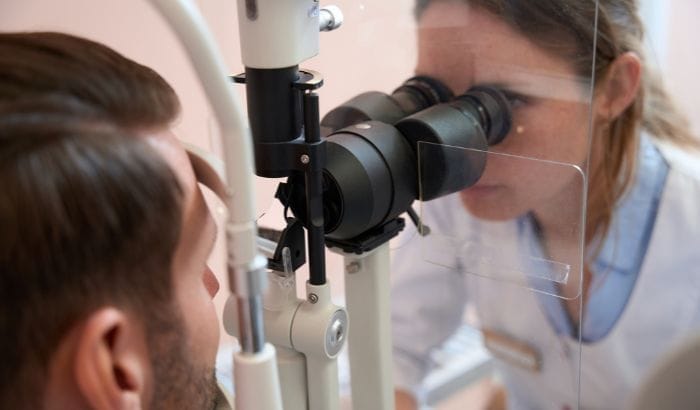
Visual Acuity: What It Is, How It Is Measured, and What the Numbers Mean
Quick Answer: Visual acuity is the eye’s ability to distinguish fine detail at a specific distance. It is measured with a Snellen chart — and a result of 20/20 (6/6 in meters, or 0.0 on the logMAR scale) indicates vision within the accepted normal range. Results below that threshold may point to refractive errors such as myopia or astigmatism, or to conditions that require an eye examination.

The Science Behind Lens Thickness: Formulas, Materials, and Standards Explained
Lens thickness is determined by two things: the sagitta of the lens surface (a function of prescription power and lens diameter) and the refractive index of the material. The sagitta formula from spherical geometry, combined with the lensmaker’s equation, lets you calculate thickness for any prescription and material. This article walks through every formula, workedContinue reading “The Science Behind Lens Thickness: Formulas, Materials, and Standards Explained”

Free Lens Thickness Calculator – Compare Materials Instantly
Enter your prescription below to compare lens thickness and weight across seven refractive indices — from standard CR-39 to 1.74 ultra-thin. The calculator uses the sagitta formula and ANSI Z80.1-2025 minimum thicknesses to estimate edge thickness (minus lenses) or center thickness (plus lenses) for each material, so you can see exactly how much thinner andContinue reading “Free Lens Thickness Calculator – Compare Materials Instantly”

Why Customers Leave Your Shop (And Never Come Back)
Customers leave optical shops because of how they were treated, not what they were sold. Rushed consultations, inaccurate measurements, zero follow-up, an outdated store, and ignored online reviews — these five gaps push patients toward your competitor. Optical shop customer retention comes down to fixing these avoidable service failures. Fix them, and you keep theContinue reading “Why Customers Leave Your Shop (And Never Come Back)”

From .io to .com: Optogrid Is Moving to Its Permanent Home
When we rebranded from Optigrid to Optogrid last year, our goal was simple: to create a clear, dedicated identity that reflects our commitment to the optical industry. The feedback from our clinics and partners has been incredible, and today, we are excited to announce another step in that journey. In the coming months, Optogrid willContinue reading “From .io to .com: Optogrid’s Next Chapter in Optical Innovation”
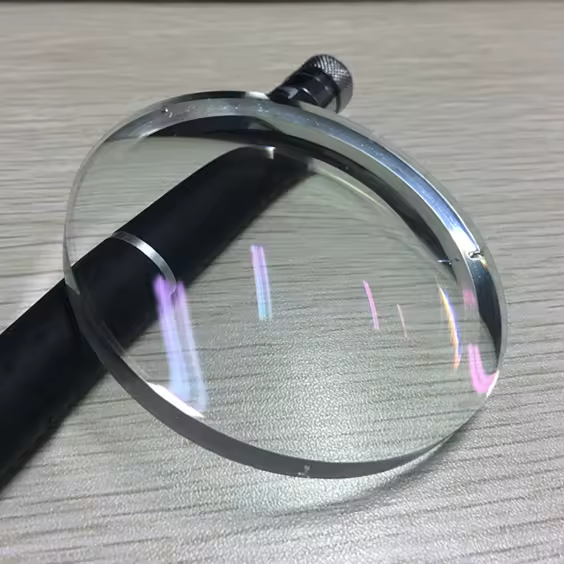
Understanding Minimum Block Size (Minimum Uncut Lens Size) in Lens Manufacturing
Before we go deep: If you’re just looking for the quick formula, skip the theory and use our MBS Calculator. If you want to actually understand why MBS matters, how the math works, how lenses are made, and how they’re cut to fit a frame… keep reading. Have you ever wondered how a round eyeglass …

How to Launch an Ecommerce Store for Your Optical Shop
Short Answer: To launch an optical ecommerce store, choose a platform that supports prescription lens customization (Shopify or WooCommerce work best for most optical shops), integrate a digital PD measurement tool, add virtual try-on capability, and build product pages with clear lens options. The e-commerce eyewear market reached $39.19 billion in 2024 and is growingContinue reading “How to Launch an Ecommerce Store for Your Optical Shop”

Contact Lenses for Kids: Age, Safety, and Myopia Control
Short Answer: Children as young as 8 can wear contact lenses safely when supervised by a pediatric optometrist. The Contact Lenses in Pediatrics (CLIP) Study found that children aged 8–12 experienced no contact-lens-related problems during a 3-month trial, and the Bullimore safety review found that corneal infiltrative events in children aged 8–11 may actually beContinue reading “Contact Lenses for Kids: Age, Safety, and Myopia Control”

Building a WooCommerce Plugin for Optical Retailers with Remote PD Measurement
Optogrid is developing a WooCommerce plugin specifically for optical retailers that simplifies prescription eyewear e-commerce with features for frames, lens add-ons, optical customization, and integrated remote PD/SH measurement. The plugin launches in December 2025 with Phase 1 core features, followed by Phase 2 Optogrid API integration for photo-based pupillary distance measurement.

🌟 From Optigrid to Optogrid: Same Vision, Sharper Focus
If you’ve noticed a small change in our name. Yes, your eyes aren’t playing tricks on you!Optigrid is becoming Optogrid, with an “O.” It’s a simple letter swap, but it represents a big step forward in our journey. Why the change? When we launched Optigrid, our goal was clear: to make it easier for optical …
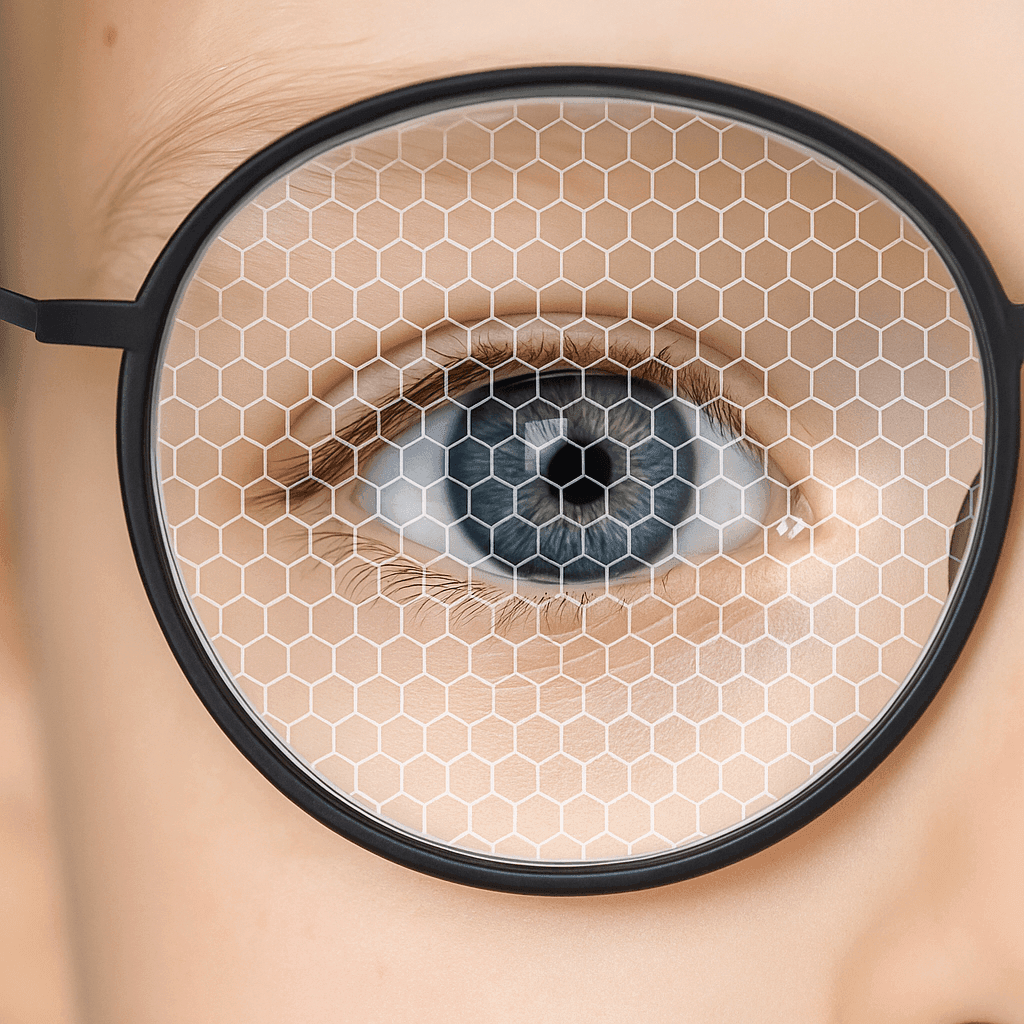
Myopia Control in Children: A Guide for Opticians
TL;DR: Childhood myopia (nearsightedness) often worsens each year as kids’ eyes grow. Unchecked, it can lead to high prescriptions and higher risks of serious eye problems in adulthood. Thankfully, evidence-based interventions can slow myopic progression by ~30–60%, including low-dose atropine eye drops, overnight corneal reshaping (orthokeratology), special multifocal contact lenses, and new defocus spectacle lensesContinue reading “Myopia Control in Children: A Practical, Science-Backed Guide for Opticians and Parents”