
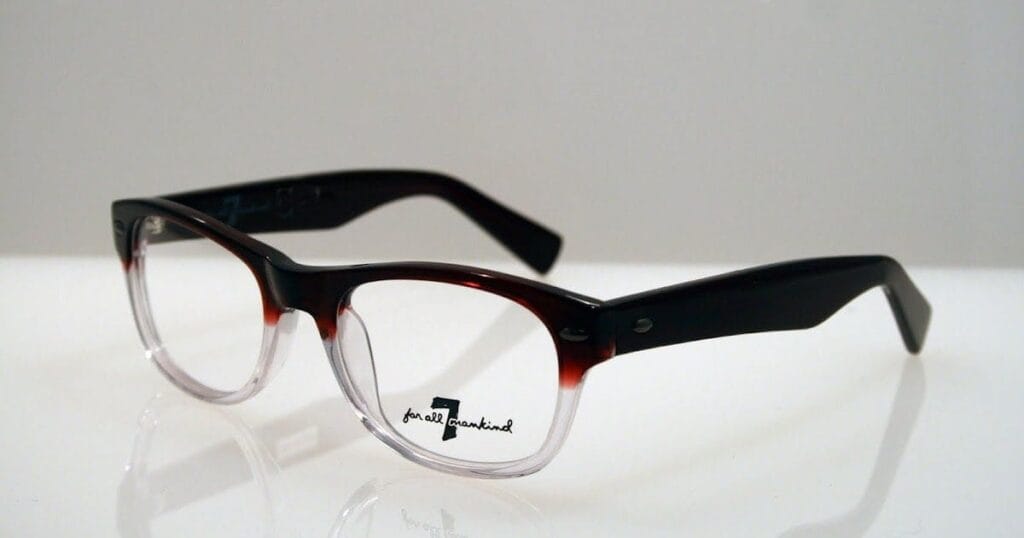
Nearly half of prescription glasses ordered online fail quality or safety checks. An AOA study examining 200 pairs from 10 popular online retailers found that 44.8% had an inaccurate prescription or failed safety standards, and nearly 32% of online eyewear returns trace back to PD or lens misalignment. Five tools address these failure modes directly: digital PD measurement, virtual try-on, a frame sizing guide, prescription management, and post-purchase support.

Selling glasses online is operationally different from selling almost any other product. The item must be optically precise, physically comfortable, and aesthetically right, yet customers cannot try it on before buying. Each failure mode (wrong prescription, wrong fit, wrong size) produces a return, a support ticket, or a customer who never comes back.
This guide covers the five tools that address those failure modes directly. If you are still evaluating whether to launch an online store, see our guide on launching an ecommerce store for optical shops. For the full software stack beyond these five tools, see essential software solutions for eyewear retailers.
1. Digital PD Measurement: The Single Highest-Impact Tool for Reducing Returns
Pupillary distance (PD) is the measurement between the centers of the two pupils. It determines where the optical center of each lens sits in the frame. A clinical guide published in PMC by the College of Optometrists states: “If the pupillary distance is measured incorrectly, the optical centre will be incorrectly set within the spectacle frames, which can only be rectified by remeasuring the pupillary distance correctly, and remaking the spectacles.”
According to Fittingbox’s analysis of online eyewear return data, nearly 32% of online eyewear returns are linked to issues with PD or lens misalignment. And the financial impact is significant: retailers who implemented a precise PD measurement tool saw returns drop by up to 57% within the first year, with return rates in one scenario decreasing from 22.4% to 9.6%.
Why Self-Reported PD Fails
Most online stores ask customers to measure their own PD with a ruler and a mirror, a method prone to parallax errors and inconsistent technique. Even a 2 mm error becomes clinically significant for high prescriptions or progressive lenses.
A digital measurement tool solves this. The customer takes a photo, and the eyewear fitting software calculates PD from the image. Optogrid uses this approach, delivering measurements accurate to 0.5 mm through a single photograph, without requiring any hardware beyond a smartphone.
PD Measurement Tool Comparison
| Tool Type | Method | Measurements | Accuracy | Best For |
|---|---|---|---|---|
| Manual ruler | Customer self-measures with ruler and mirror | PD only (binocular) | +/- 2-3 mm | Low-prescription single vision only |
| Digital pupillometer (in-store) | Optical device in practice | PD (monocular) | +/- 0.5 mm | In-store dispensing |
| Webcam-based tool | Live webcam calibration | PD only | +/- 1-2 mm | Single vision online orders |
| Photo-based tool (e.g., Optogrid) | Single smartphone photo | PD (monocular) + SH | +/- 0.5 mm | Progressive and bifocal online orders |
What to Look for in a PD Measurement Tool
| Feature | Why It Matters |
|---|---|
| Monocular PD output | Needed for asymmetrical prescriptions and progressives |
| Segment height (SH) measurement | Required for progressive and bifocal lenses |
| Works from a selfie or uploaded photo | Reduces friction in the customer workflow |
| Sub-millimeter precision | Reduces optical error risk |
| Integration with your ecommerce platform | Orders flow directly with measurement data |
For optical shops offering remote or online ordering, see how Optogrid measures both PD and SH from a single photograph.
2. Virtual Try-On: Reducing Style-Related Returns Before Purchase

Virtual try-on lets shoppers see how frames look on their face using a webcam or uploaded photo. It addresses the most common objection to buying glasses online: “I don’t know if they’ll suit me.”
The business case is measurable. According to Fittingbox’s conversion data:
- Retailers using virtual try-on see an average sales conversion lift of 18%
- Online eyewear stores with virtual fitting report a 22% decrease in cart abandonment
- Eyewear retailers using virtual fitting report up to a 28% reduction in product returns
Virtual try-on does not replace PD measurement. It solves a different problem. Try-on addresses style preference; PD measurement addresses optical precision. Both are needed. Optogrid focuses specifically on the measurement side (PD and segment height), not virtual try-on. Stores typically pair a measurement tool like Optogrid with a separate virtual try-on provider such as Fittingbox or Ditto to cover both needs.
Implementation Approaches
- Webcam-based real-time try-on (e.g., Fittingbox, Ditto): The customer uses their device camera for a live session
- Photo upload try-on: Customer uploads a selfie; frames are overlaid with alignment to facial landmarks
- AR-based mobile try-on: App-based experiences that use the phone camera and depth sensors
For mid-size optical shops, photo-upload tools typically require less technical integration than full AR solutions while still providing meaningful conversion improvement.
3. Frame Sizing Guide: Translating Frame Numbers into Confident Purchases
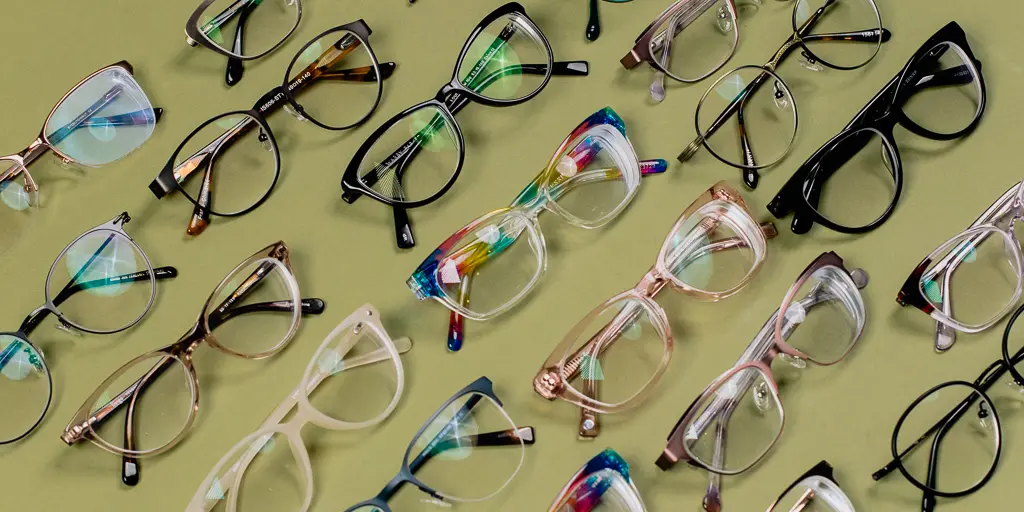
Most eyeglass frames have three measurements engraved on the temple arm, in this format: 52-18-140. These are lens width, bridge width, and temple length, all in millimeters. Customers who do not know this format buy the wrong size.
Standard Frame Measurement Ranges
| Measurement | What It Is | Typical Adult Range |
|---|---|---|
| Lens width | Horizontal width of one lens | 40-60 mm |
| Bridge width | Distance between the two lenses at the nose | 14-24 mm |
| Temple length | Length of the arm from hinge to tip | 120-150 mm |
| Frame width | Total horizontal width of the frame | 120-150 mm |
Frame Width by Face Size
A frame should be close to the width of the wearer’s face. The general sizing categories used across major online retailers break down as follows:
| Face Width | Frame Width Category | Frame Width Range | Fit Notes |
|---|---|---|---|
| Under 130 mm | Narrow | Under 130 mm | Best for smaller faces; oversized frames slide forward |
| 130-140 mm | Medium | 130-140 mm | Fits most adults; the most common size range stocked |
| Over 140 mm | Wide | Over 140 mm | Needed for larger faces; too-narrow frames pinch at the temples |
A tolerance of about 2 mm in either direction still produces a comfortable fit. Customers with a well-fitting current pair can use those measurements as a baseline. Customers without a reference pair need face-measurement instructions (ruler from temple to temple, measured at the widest point).
A good frame sizing guide on your store should:
- Explain the three-number format with a diagram
- Show customers where to find the measurements on their current glasses
- Provide a face-width measurement method
- Recommend frame widths by face-width range using a table like the one above
- Note that lens height affects coverage for progressives
4. Prescription Management: Capturing and Storing Rx Data Without Errors
Prescription errors are the leading clinical risk in online eyewear. The AOA study that examined 200 pairs of glasses ordered from 10 popular online optical websites found that 29% of pairs had at least one lens that failed to meet the required prescription, and 44.8% had an inaccurate prescription or a safety issue.
These errors often begin at the data-entry step: a customer misreads their prescription, enters values in the wrong fields, or confuses + and – signs.
Prescription Input Options Ranked by Error Risk
| Method | Error Risk | Notes |
|---|---|---|
| Manual text entry | High | Customers misread Rx documents; transpose values |
| Photo/PDF upload with staff review | Medium | Reduces entry errors; adds processing time |
| Scan of existing glasses | Medium-Low | Gives current lens power; misses axis, add, prism |
| Account-based stored Rx | Low | Customer confirms once; reorders without re-entry |
| Integration with Electronic Health Record (EHR) or optometry software | Lowest | Data flows directly from exam record |
For optical practices that also sell online, integrating your exam records with your ecommerce platform eliminates the manual entry step entirely. See our guide to optical practice software for a broader look at this shift.
What a Prescription Management System Should Do
- Accept all standard Rx fields: sphere (SPH), cylinder (CYL), axis, add power, prism, base
- Validate that entered values fall within clinically reasonable ranges
- Flag potentially transposed values (e.g., + cylinder when – is expected)
- Store prescriptions linked to customer accounts for reorders
- Support both monocular and single PD values
5. Post-Purchase Support: Retention Tools That Reduce Support Volume
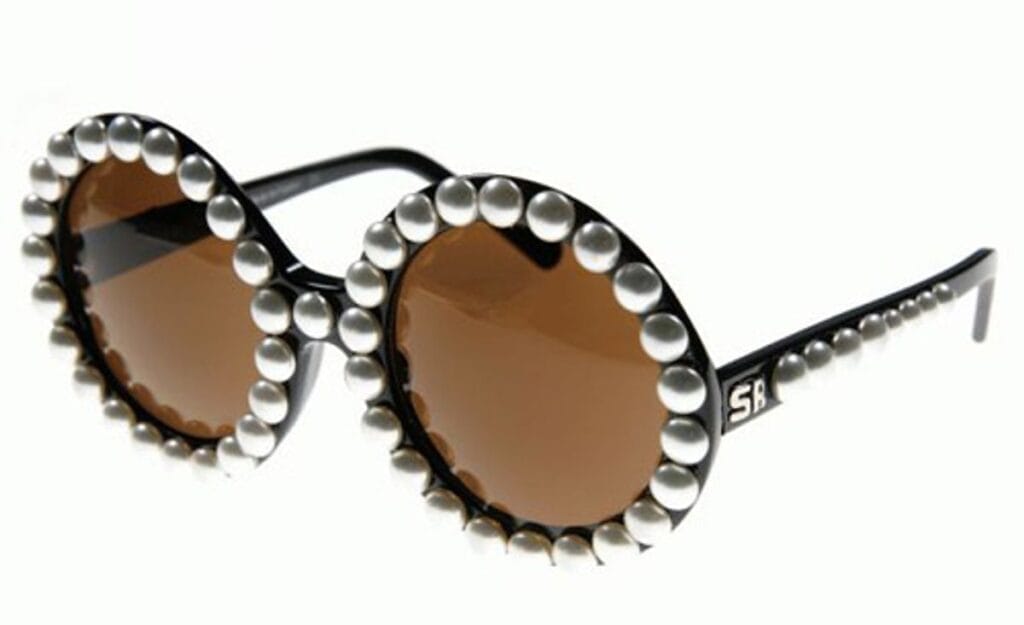
The first four tools prevent returns before they happen. The fifth category covers what happens after the glasses arrive. Post-purchase support includes lens care products, repair kits, order status communication, and reorder workflows. These cost little to implement but directly reduce support tickets and increase repeat purchases.
Lens Care Bundling
| Product Type | Best For | Notes |
|---|---|---|
| Pre-moistened lens wipes (e.g., Zeiss) | General daily use | Single-use; convenient for on-the-go |
| Microfiber cloths (e.g., MagicFiber) | Scratch prevention | Reusable; best paired with spray |
| Anti-fog spray (e.g., Optix 55) | Humid environments, mask wearers | Applies a thin hydrophilic coating |
A basic eyeglass repair kit (assorted screws M1.0-M2.5, flat-head and Phillips screwdrivers) retails between $5 and $10. Including one as a bundle add-on addresses the most common reason customers contact support: a loose or lost hinge screw.
Lens Coating Care Quick Reference
Different coatings require different cleaning products. Include this information in your post-purchase emails or packaging inserts:
- Anti-reflective (AR) coatings: Require non-ammonia, non-alcohol cleaners. Standard lens sprays are fine; window cleaner is not.
- Photochromic lenses (e.g., Transitions): Clean the same as standard lenses.
- Polycarbonate lenses: Scratch easily. Always recommend a microfiber cloth, never paper towels or clothing fabric.
Order Communication and Reorder Prompts
Beyond physical products, two digital tools round out the post-purchase experience:
- Order status tracking: Proactive shipping notifications (email, SMS) reduce “where is my order?” tickets. Platforms like AfterShip or Shippo integrate with most ecommerce systems.
- Prescription renewal reminders: Automated emails when the customer’s Rx approaches its expiration date (typically 1-2 years) drive repeat purchases without manual outreach.
How These Five Tools Map to Purchase Stages and Failure Modes
Each tool addresses a different failure point in the online eyewear purchase:
| Tool | Problem It Solves | Stage | Recommended Starting Point |
|---|---|---|---|
| Digital PD measurement | Lens misalignment and optical error | Pre-purchase / order entry | Optogrid (photo-based, PD + SH) |
| Virtual try-on | Wrong style; buyer’s remorse | Pre-purchase | Fittingbox or Ditto |
| Frame sizing guide | Wrong frame size | Pre-purchase | On-site sizing page with table |
| Prescription management | Rx entry errors and data loss | Order entry | Photo upload + staff review |
| Post-purchase support | Damage complaints; support tickets | Post-purchase | Lens care bundle + order tracking |
The first three reduce returns before they happen. The fourth prevents fulfillment errors. The fifth supports retention.
For optical shops evaluating whether to bring prescription measurements fully online, see how online eyewear measurement techniques work in practice and what remote PD measurement means for optical retail operations.
Beyond the Five: Home Trials and Teleoptometry
The five tools above form the core stack, but two additional programs help retailers compete on service and premium segments: home trial programs and teleoptometry.
Home Trial Programs: When Physical Frame Testing Justifies the Cost
Home trial programs (“try-before-you-buy”) address the primary objection to buying eyewear online: “How do I know it will look good on me?” Customers select multiple frames, receive them at home, then purchase their favorites and return the rest.
Operational Costs to Factor In
| Cost Category | Typical Impact | Mitigation Strategy |
|---|---|---|
| Inventory management | 5-8 frames out of circulation per active trial | Dedicated trial inventory separate from sales stock |
| Shipping costs | $8-12 roundtrip per trial | Limit to qualified customers; minimum cart value |
| Frame damage/loss | 2-5% annual loss rate | Credit card authorization; insurance for designer frames |
| Processing time | 10-15 min per trial (pick, pack, inspect) | Automated trial management software |
Decision Matrix: Home Trials vs. Virtual Try-On
Home trials work best when:
- You carry premium or designer frames ($200+) where customers want physical confirmation
- Average order value exceeds $300 (justifying operational cost)
- You have sufficient inventory depth for trial demand
- Your market includes customers with limited access to physical optical stores
Virtual try-on is sufficient when:
- Frame selection is value-focused ($50-150 range)
- You have remote measurement technology (like Optogrid) ensuring fit accuracy
- Operational margins don’t support trial program costs
The most effective approach combines both. Customers use virtual try-on to narrow to 3-5 favorites, receive a home trial kit with those frames, then submit an Optogrid measurement photo during the trial. This confirms both style and optical fit before the customer commits.
Teleoptometry: Expanding Your Service Reach
Teleoptometry services have expanded rapidly. According to a systematic review published in PMC, telehealth services in optometry increased dramatically during the pandemic and have remained elevated since. In India alone, 50.94% of optometrists offered teleoptometry services at the start of the COVID-19 pandemic.
Where Teleoptometry Adds Value for Online Retailers
Prescription verification: A remote optometrist can review uploaded prescriptions, flag errors, and contact patients before eyewear is manufactured.
Second opinions: For complex prescriptions (high cylinder, significant anisometropia, specialty lenses), remote consultation confirms the dispensing optician’s recommendations.
Geographic expansion: Serve customers in rural areas or regions where you don’t have physical locations, with remote optometrists providing clinical oversight.
Post-purchase support: When customers experience adaptation issues with new progressives or high-index lenses, remote consultation determines whether the issue is prescription-related or a fitting problem.
Limitations: When In-Person Exams Are Required
Teleoptometry cannot replace in-person comprehensive eye exams for:
- Eye health assessments requiring slit lamp examination, tonometry (glaucoma screening), or dilated fundus exams
- Contact lens fittings requiring corneal curvature and tear film assessment
- Pediatric exams where patient cooperation and behavioral observation are essential
Experts in Review of Optometry have noted that tele-optometry protocols should include an annual in-person visit, with telehealth offered as a supplementary service throughout the year.
When you combine Optogrid’s remote measurement capabilities with teleoptometry, you create a complete remote dispensing workflow: online eye exam, photo-based PD/SH measurement, remote optometrist review, and verified lens order, all without the customer visiting a store.
Frequently Asked Questions
What is the most important tool for an online eyewear store?
Digital PD measurement has the highest impact on returns and prescription accuracy. Nearly 32% of online eyewear returns trace back to PD or lens misalignment errors, making it the single highest-value technical integration for any store selling prescription eyewear online. Retailers who implemented a precise PD tool saw returns drop by up to 57% within the first year.
Can customers measure their own PD accurately at home?
Self-measurement with a ruler and mirror is prone to parallax errors. It can work for low-prescription single-vision wearers but becomes unreliable for high prescriptions, progressive lenses, and monocular PD requirements. A photo-based digital tool like Optogrid produces consistent results accurate to 0.5 mm without requiring any equipment beyond a smartphone.
Does virtual try-on reduce returns?
Yes, but for different reasons than PD measurement. Virtual try-on reduces returns linked to style dissatisfaction. Data from Fittingbox shows retailers using virtual fitting report up to a 28% reduction in product returns. It does not address optical fit or prescription accuracy.
What are the three numbers printed on eyeglass frames?
The three numbers are lens width, bridge width, and temple length, all in millimeters. For example, 52-18-140 means a 52 mm lens width, 18 mm bridge, and 140 mm temple arms. These measurements help customers match a new pair to frames they already find comfortable.
What causes most prescription errors in online orders?
Manual data entry by customers is the primary cause. Customers misread their prescription documents, transpose sphere and cylinder values, or enter the wrong sign (+ vs. -). Photo upload with staff review, stored account Rx, and integration with optical practice management software all reduce this error rate.
Is it safe to clean anti-reflective coated lenses with regular spray cleaners?
Standard lens sprays that are alcohol-free and ammonia-free are safe for AR-coated lenses. Avoid window cleaners, paper towels, and rough fabrics, which can scratch or degrade the coating over time.
How do online eyewear stores handle progressive lens orders?
Progressive lenses require monocular PD and segment height (SH) in addition to the standard prescription values. Stores that do not collect SH measurements cannot fulfill progressive orders accurately. A tool like Optogrid captures both PD and SH from a photograph, which makes remote progressive lens ordering viable.
How much do frame size mismatches contribute to online eyewear returns?
Frame sizing errors are the second most common return reason after optical issues. The key metric is frame width relative to face width. Frames should be within about 2 mm of the wearer’s face width. A sizing guide that maps face measurements to frame width categories (narrow under 130 mm, medium 130-140 mm, wide over 140 mm) helps customers self-select the correct size.

I grew up inside an optical shop. My mother likes to tell how, as a kid, I would watch eyeglasses being assembled, play with the tools, and draw on the back of service order slips. The family business taught me early what a precise measurement and work done right are worth.
I went on to spend more than twenty years as a software engineer, always keeping an eye on the optical world. Optogrid was born where the two meet: digital measurement technology (pupillary distance and fitting heights) built by someone who knows the dispensing counter from the inside.