Skip to content

Blog | Optical Industry Insights, Guides & Tools for Opticians

Actionable insights for opticians and eyewear retailers. Learn how to measure PD remotely, optimize optical workflows, choose the right tools, and grow your business with modern digital solutions.

Average Pupillary Distance: Normal PD Values by Age, Gender, and Ethnicity

Average Pupillary Distance: Normal PD Values by Age, Gender, and Ethnicity

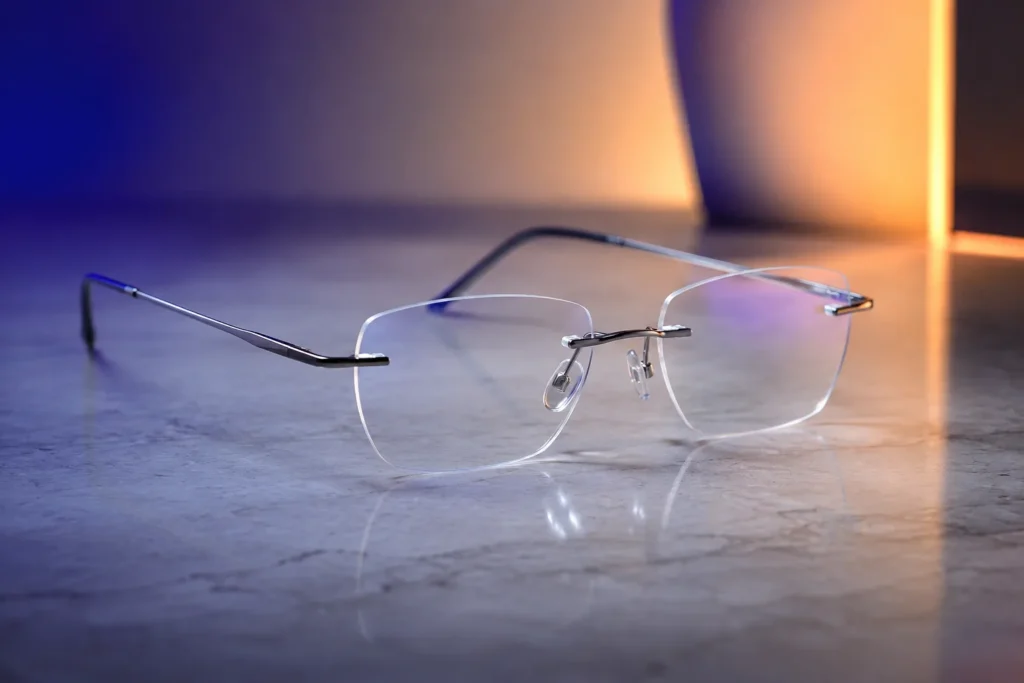
For most adults, a normal pupillary distance falls between 50 mm and 75 mm, with the majority of the population clustered between 55 mm and 70 mm. Published clinical research puts the adult mean at roughly 62-63 mm overall, with men averaging about 63.6 mm and women about 61.1 mm. Optogrid’s own dataset of 14,904Continue reading “Average Pupillary Distance: Normal PD Values by Age, Gender, and Ethnicity”
Snellen Chart: History, How It Works, and the Modern Variants Used Today

Snellen Chart: History, How It Works, and the Modern Variants Used Today

The Snellen chart is a standardized letter chart used to measure distance visual acuity. Herman Snellen, a Dutch ophthalmologist working at the Netherlands Hospital for Eye Patients in Utrecht, introduced it in 1862. Each letter (called an optotype) is built on a 5×5 grid where every stroke width subtends exactly one arcminute at the prescribedContinue reading “Snellen Chart: History, How It Works, and the Modern Variants Used Today”
Can Scratched Lenses Be Repaired? An Honest, Optician-Backed Answer

Can Scratched Lenses Be Repaired? An Honest, Optician-Backed Answer

In most cases, no. Visible scratches on modern eyeglass lenses run through the anti-reflective (AR) coating stack, which cannot be polished out without removing the rest of the coating and creating optical haze worse than the original scratch. The practical options are: leave a shallow scratch outside the visual axis alone; order new lenses forContinue reading “Can Scratched Lenses Be Repaired? An Honest, Optician-Backed Answer”
Blurry Vision: Causes, Warning Signs, and When to See a Doctor

Blurry Vision: Causes, Warning Signs, and When to See a Doctor

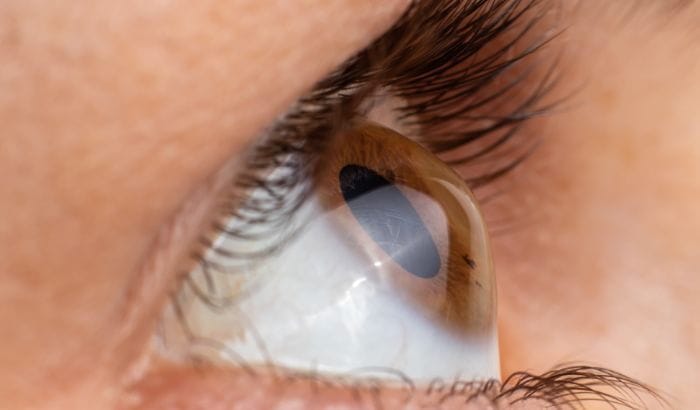
Blurry vision has five primary causes: refractive errors (myopia, hyperopia, astigmatism), cataracts, glaucoma, diabetic retinopathy, and retinal detachment. Refractive errors account for the majority of cases and are corrected with glasses or contact lenses. Conditions like retinal detachment, however, are ophthalmic emergencies requiring same-day care. Seek emergency evaluation immediately if you experience sudden vision loss,Continue reading “Blurry Vision: Causes, Warning Signs, and When to See a Doctor”